
Energy Industry
Provide competitive‑edge products and services to the energy sector.
-
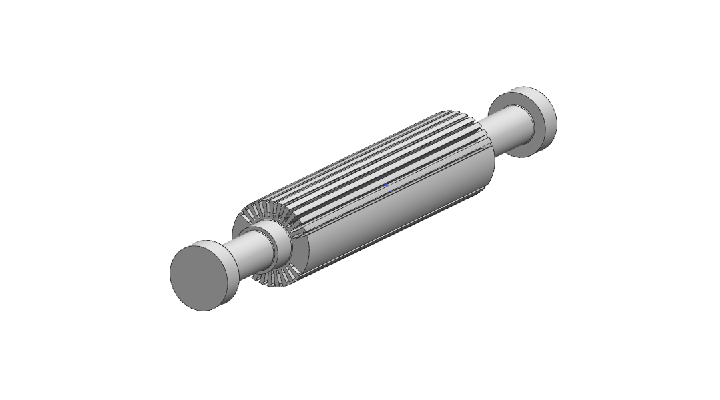
1. Generator Rotor
Wind turbine generator rotors are commonly forged from high-strength alloy structural steel (such as 42CrMo), with excellent toughness and fatigue resistance. The tough and hard material generates high cutting forces and causes significant tool wear. Featuring a large length-to-diameter ratio and poor rigidity, they are prone to cutting chatter and deformation, making them large difficult-to-machine shaft components.
Read more -
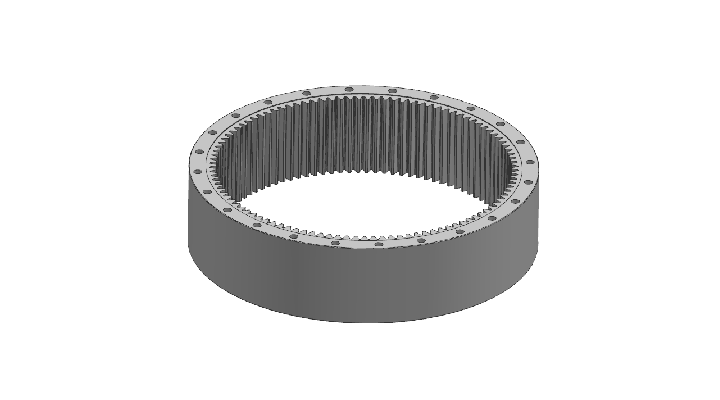
2. Wind Power Ring Gear Machining
Wind power ring gears are manufactured from carburized alloy steel forgings (e.g., 18CrNiMo7-6). After tooth surface hardening, they exhibit high hardness, combining excellent strength and wear resistance. However, the hardened layer offers extremely high cutting resistance, leading to severe tool wear and significant work hardening. Moreover, the thin-walled structure is prone to deformation, making this a typical difficult-to-machine large annular component.
Read more -
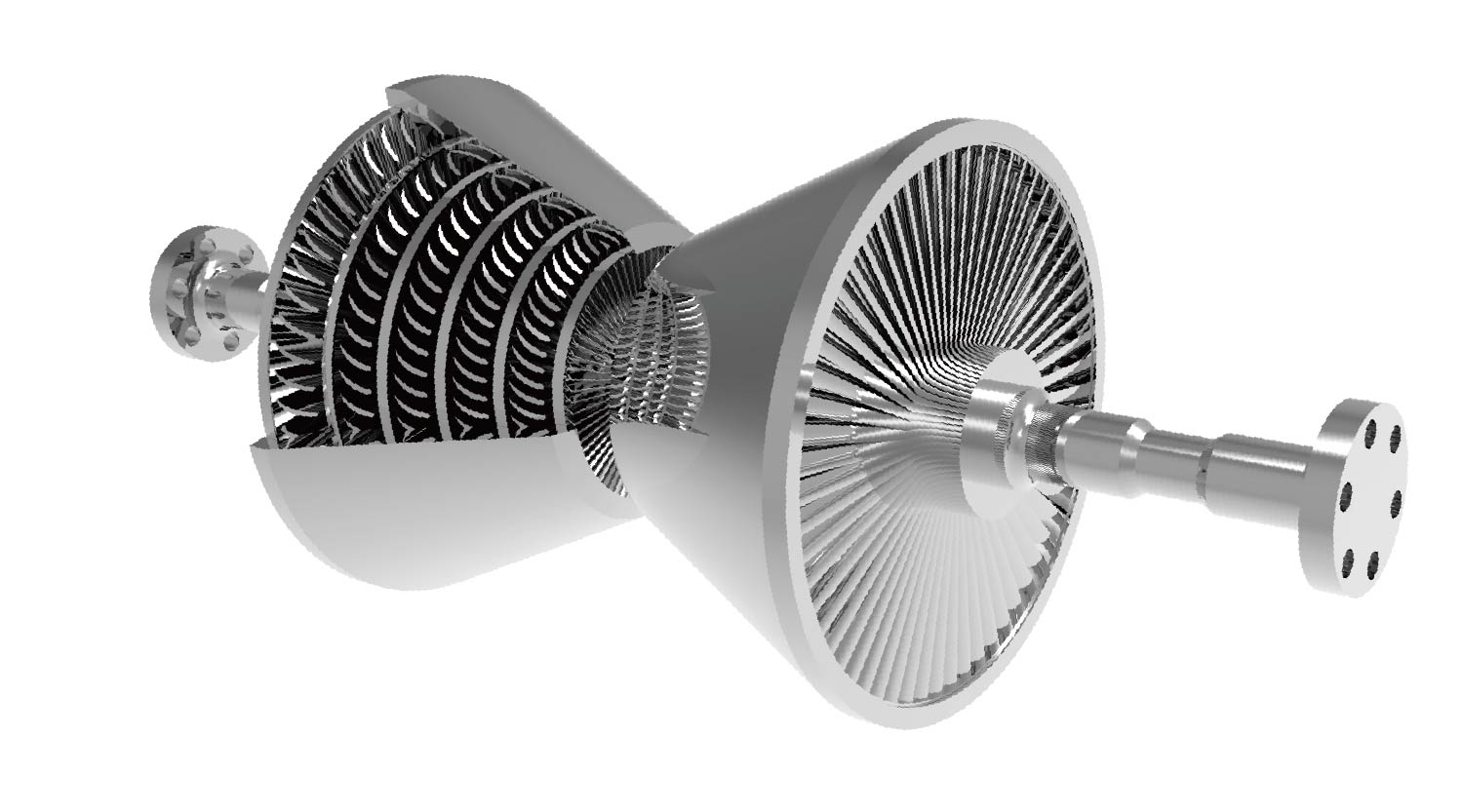
3. Steam Turbine Rotor
Steam turbine rotors are forged from heat-resistant alloy steels (such as Cr-Mo-V and Ni-Cr-Mo-V), combining high strength, creep resistance and high temperature resistance. The material is hard and tough, resulting in high cutting forces and significant tool wear, making it a difficult-to-machine large shaft component.
Read more -
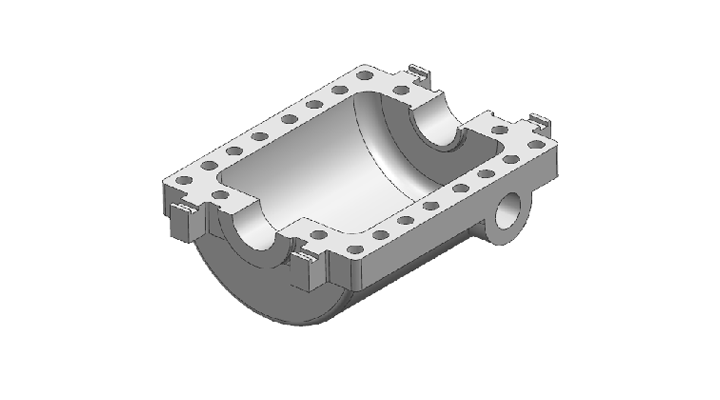
4. Steam Turbine Cylinder Casing
Steam turbine cylinder casings are cast from heat-resistant cast steel, combining high strength and high temperature resistance. With uneven wall thickness, large casting allowance and uneven hardness, they are prone to cutting vibration and deformation, making them large difficult-to-machine housing components.
Read more -
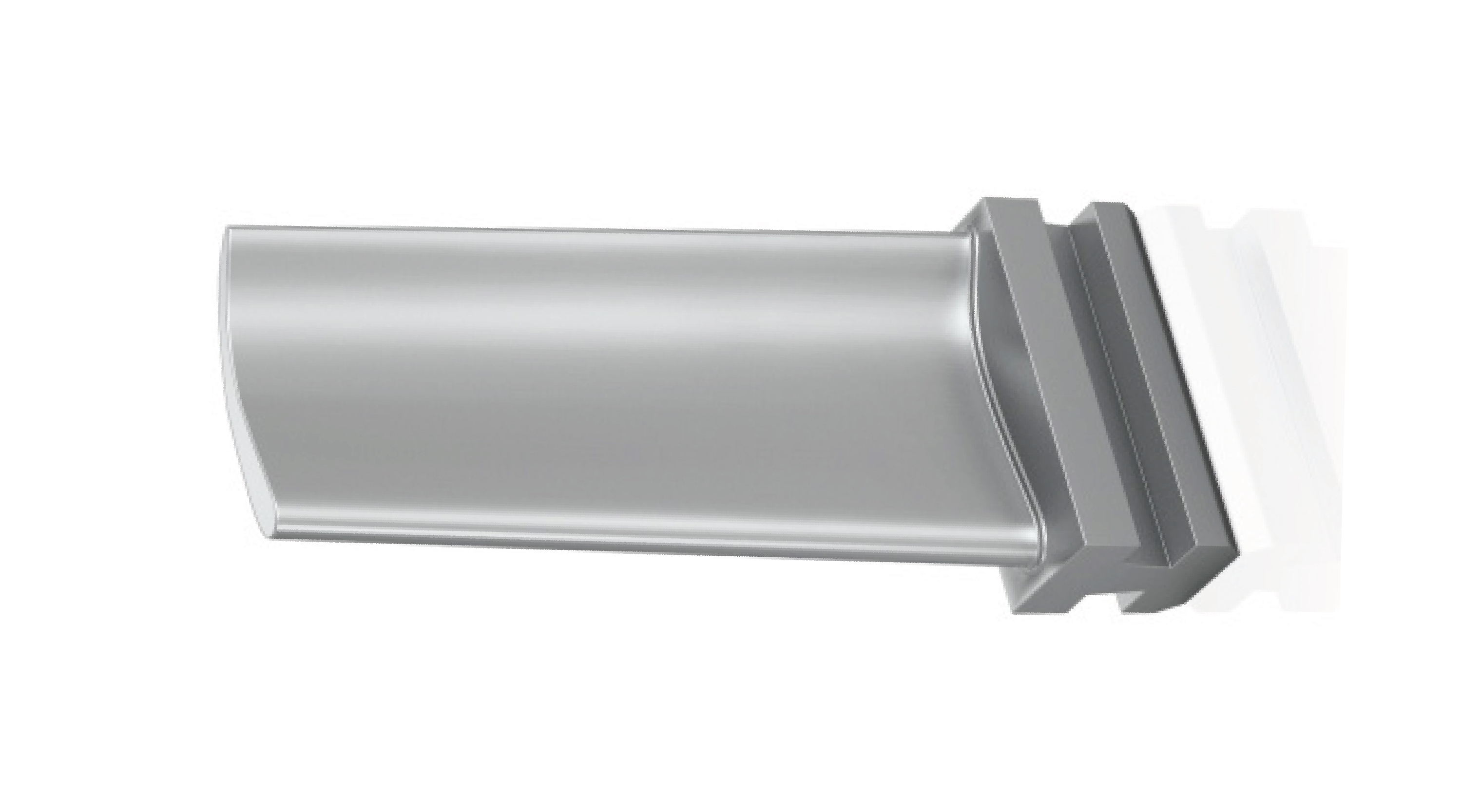
5. Steam Turbine Blade
Blades are mainly made of stainless steel, titanium alloy or superalloy, with difficult-to-machine characteristics including high hardness, high strength, corrosion resistance and high temperature resistance. Tool wear is severe, work hardening is pronounced, and cutting is challenging.
Read more