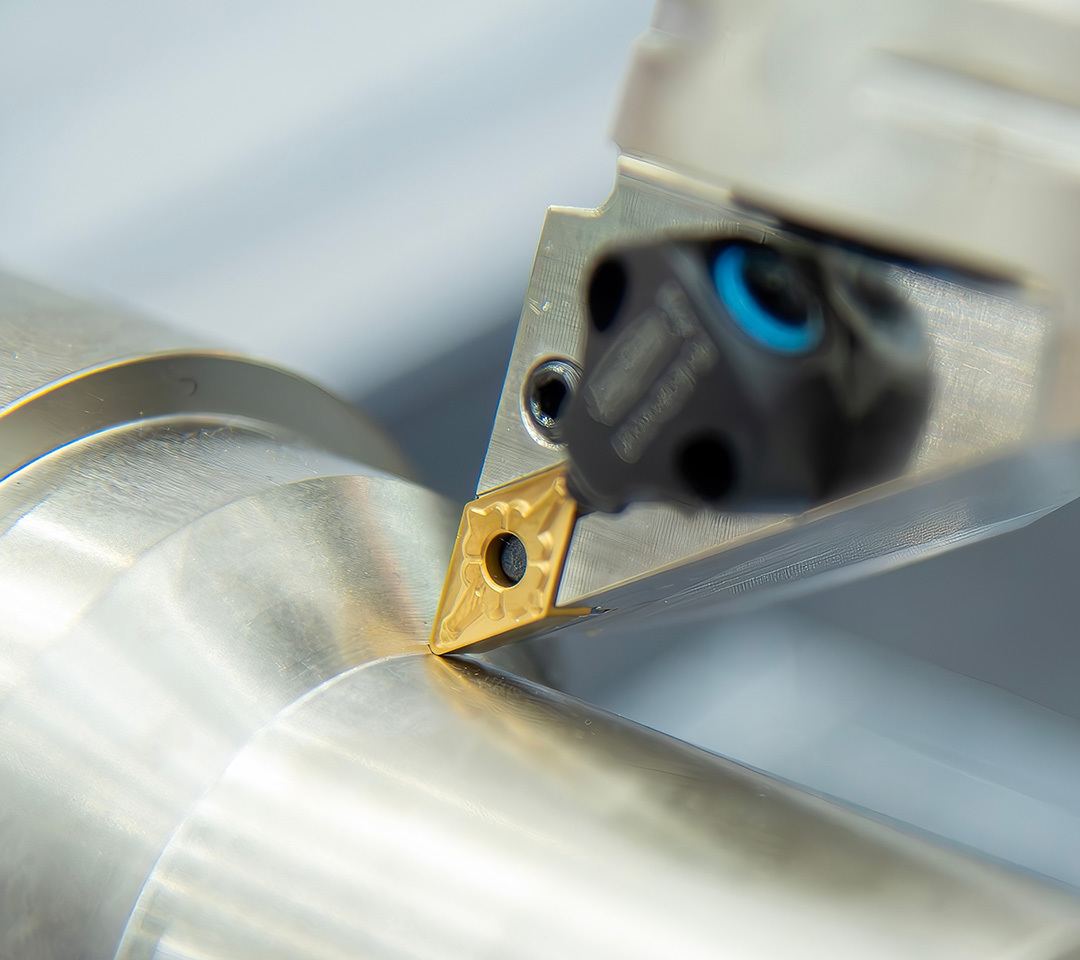
New PCBN Turning Inserts | Tackling Hardened-Steel Hard Turning Challenges for Higher Efficiency & Longer Tool Life
In the material group classification of ISO 513 (GB/T 2075), hardened steel (H group) is a typical difficult-to-machine hard material. With high hardness and strong cutting resistance, it generates high cutting forces and extreme cutting temperatures during machining. Tools are prone to abrasive wear and diffusion wear, frequently suffering from chipping and breakage — making it one of the primary technical challenges in hard turning.
Conventional carbide tools face three core pain points when machining hardened steel:
1. Cobalt-phase softening failure at high temperature
Cutting heat softens the cobalt binder phase, sharply reducing matrix hardness. The cutting edge undergoes plastic deformation and cutting forces surge, causing tool breakage and out-of-tolerance workpiece roughness and machining accuracy.
2. Combined diffusion and adhesion failure
At high temperatures, iron from the workpiece diffuses into and adheres to the tungsten and carbon of the tool, forming crater wear and built-up edge (BUE) on the rake face. This destroys the edge's structural strength and causes abnormal loading, leading to tool breakage and workpiece surface quality failure.
3. Impact-crack propagation failure
Conventional carbide substrates lack sufficient rigidity and hardness. Under cutting impact and alternating loads, micro-cracks at the cutting edge continuously propagate, eventually resulting in chipping and breakage that disrupt machining continuity.
To address these pain points, Achteck Tools launches a new PCBN tool line. With outstanding hard-turning performance, it is the optimal replacement for traditional carbide tools.
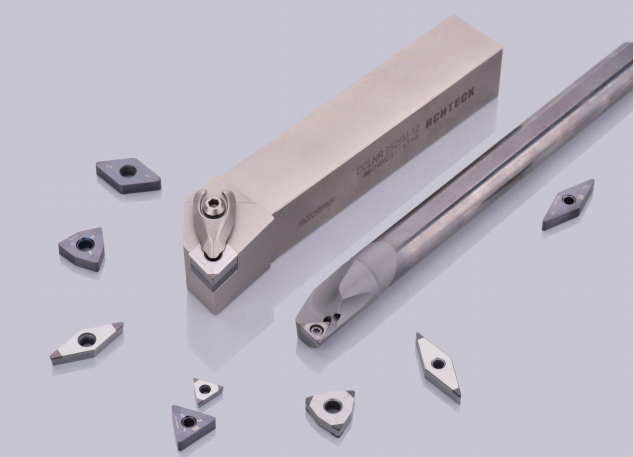
Ultra-high hardness and wear resistance
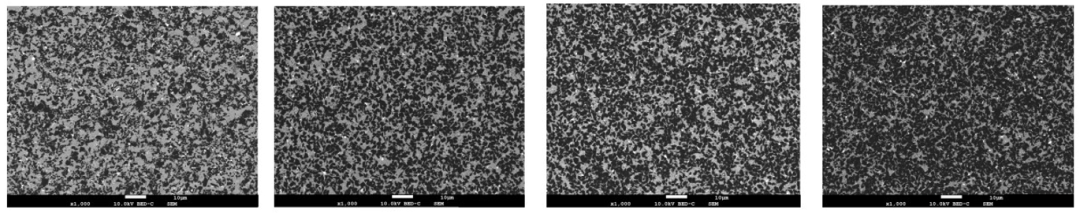
PCBN achieves a hardness of 3000–5000 HV — higher at room temperature than carbide and ceramic tools — with 5–10 times the wear resistance of coated carbide. This outstanding wear resistance reduces tool consumption frequency, extends tool life, shortens tool-change downtime, and improves production continuity.
Excellent high-temperature stability
PCBN tools maintain high hardness continuously at 1200–1300°C, breaking through the heat-resistance bottleneck of conventional carbide tools. It suits high-speed cutting of hardened steel, substantially raising cutting parameters per pass and improving overall machining efficiency.
Strong chemical stability
The material exhibits excellent chemical inertness at high temperature and does not readily react with or adhere to metals such as iron, nickel, and cobalt. This minimizes built-up edge and tool adhesion at the source, reliably ensuring workpiece surface finish and dimensional accuracy.
High thermal conductivity, low friction
PCBN's excellent thermal conductivity rapidly conducts cutting heat away from the cutting zone, reducing tool thermal deformation and high-temperature damage. Its low friction coefficient (0.1–0.3) effectively lowers cutting resistance and machining energy consumption, enhancing stability in hard turning.
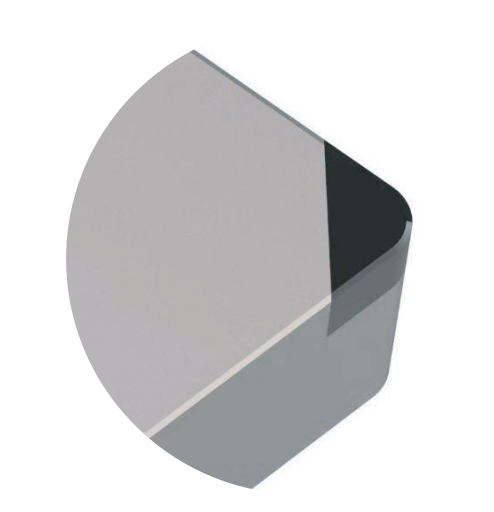
Structure: A 0.5–1 mm thick PCBN cutting layer is brazed onto a carbide substrate, combining the advantages of both materials.
Key strengths: Combines high wear resistance with impact toughness at exceptional cost-effectiveness — the most widely used type on the market.
Typical applications: Finish and semi-finish turning of hardened steel, and light interrupted cutting that is not impact-sensitive.
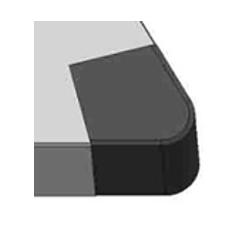
Full-body (through)
Structure: PCBN is brazed through the full body of the carbide substrate for increased bond strength.
Key strengths: Matches medium-content PCBN disc material and coatings for greater versatility.
Typical applications: High-load roughing and heavy interrupted cutting.
Gear and bearing industry
Engineering machinery: hardened quench pins, wear-resistant bushings
Automotive industry
Powder metallurgy components
Hardfacing and hard-surfacing (thermally sprayed) components
Productivity leap
PCBN hard turning is 3–10 times more efficient than conventional grinding, shortening per-part cycle time, addressing grinding's efficiency shortfall, and boosting overall line capacity and delivery capability.
Lower manufacturing costs
Reduces dependence on expensive grinding machines, cutting equipment investment and maintenance costs, simplifying process steps and reducing transfer losses — overall machining costs can be reduced by more than 30%.
Enhanced flexible smart manufacturing
No dedicated grinding equipment is needed; complex contours and irregular hardened parts can be finished on ordinary CNC machines, enabling rapid response to multi-variety, small-batch custom orders and fitting flexible smart manufacturing.
Upgraded machining quality
Hard turning avoids surface burn, micro-cracks, and other defects caused by grinding, improving surface roughness and dimensional consistency for more stable quality and higher yield.
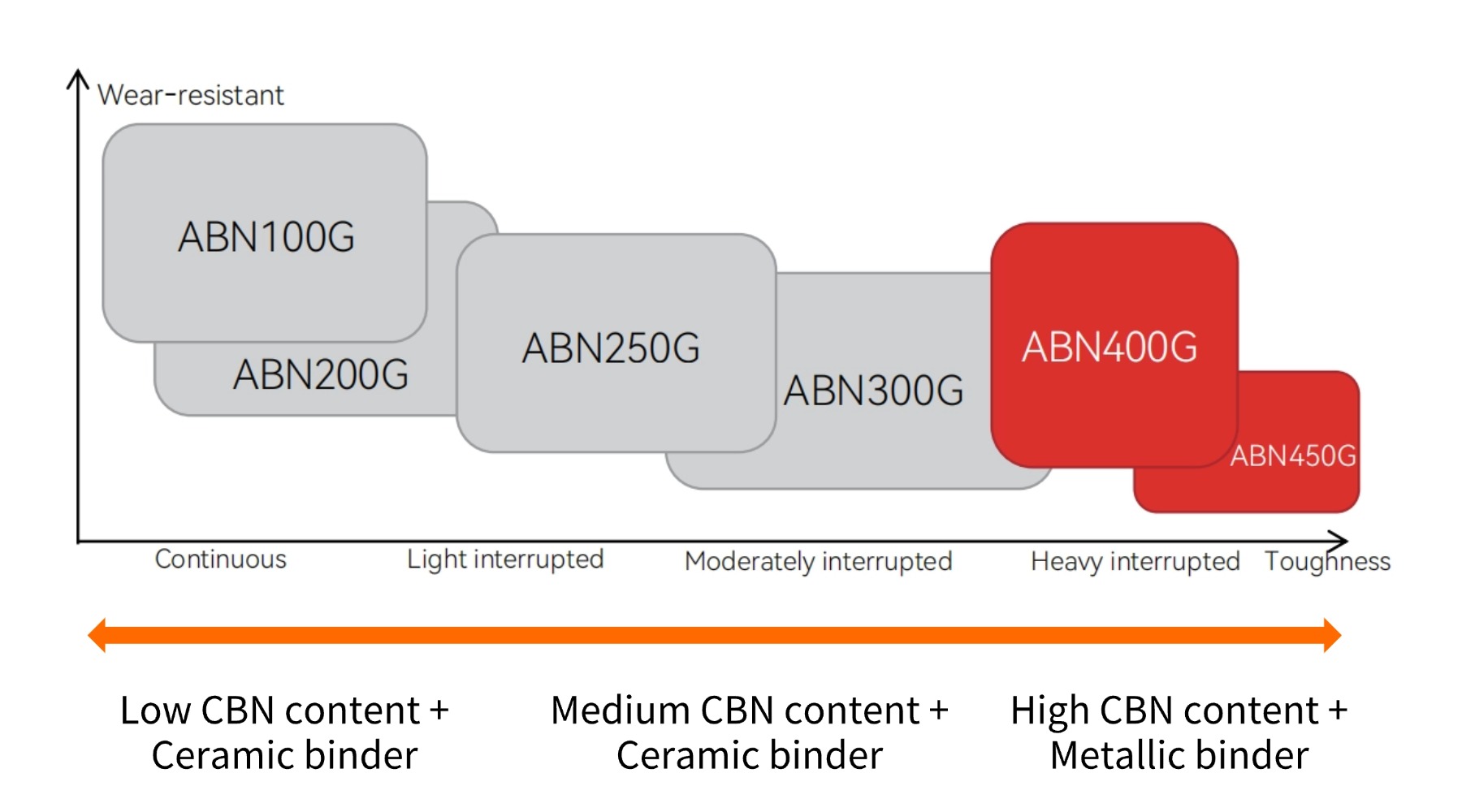
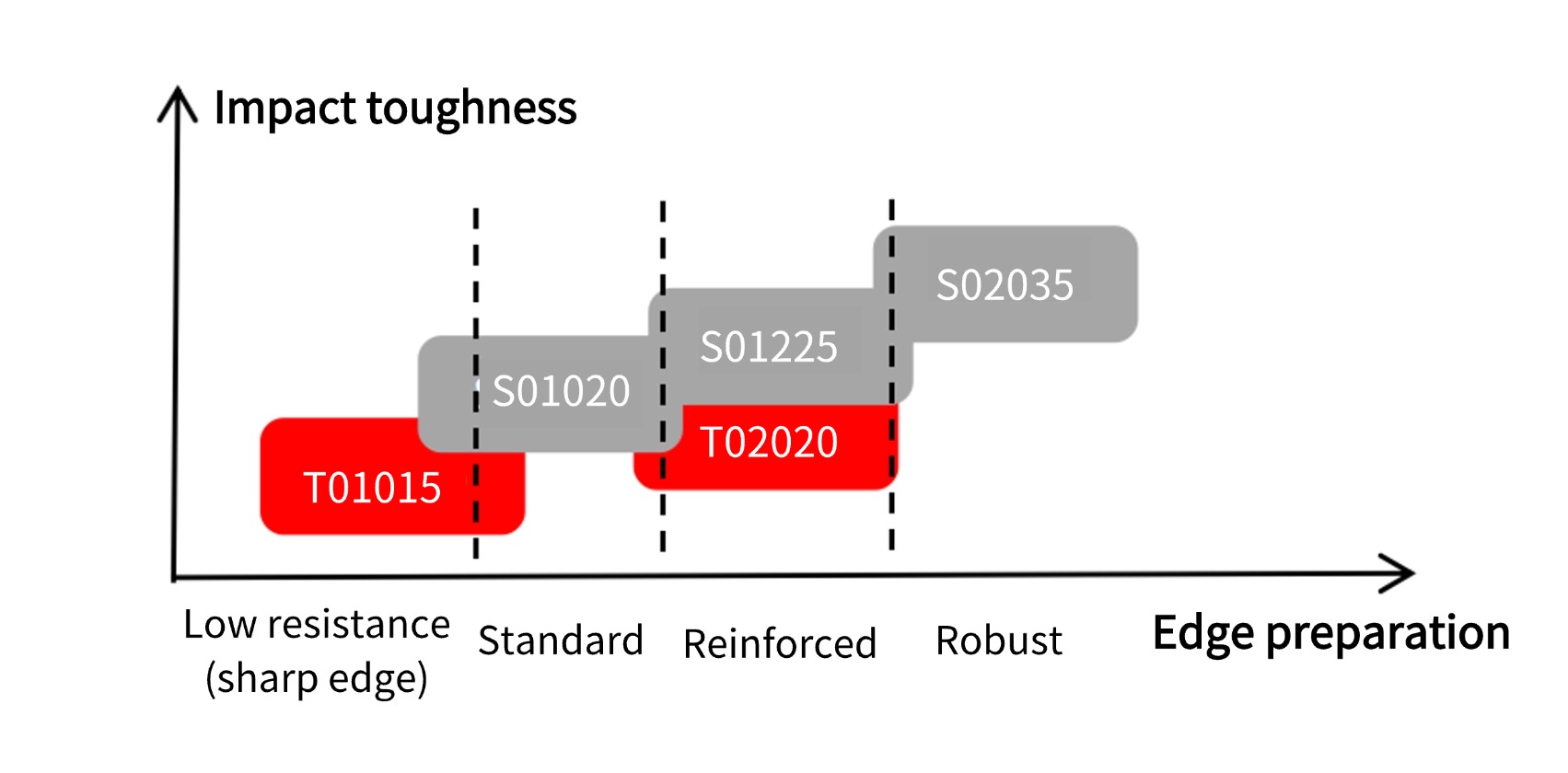
PCBN tools are mainly suited for cutting materials above 55 HRC. Compared with conventional carbide tools, their working conditions are more demanding: machine rigidity, workpiece clamping, machining allowance, and cutting parameters all directly affect tool life. Standard ISO-type designations are difficult to match to complex hard-turning conditions; selection must be tailored to on-site production cycle time, working conditions, tool material characteristics, and edge geometry, with the machining solution continuously optimized according to tool failure modes.
Failure cause: Insufficient edge strength, excessive cutting impact, severe machine vibration, or uneven workpiece allowance causing instantaneous overload and breakage.
Optimization: Choose a tougher tool material and strengthen edge honing; reduce cutting parameters to lower the load; optimize clamping and improve machine rigidity to avoid resonance.
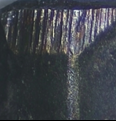
Failure cause: Excessively high cutting speed intensifies frictional heat, or the tool's wear resistance is insufficient to withstand prolonged mechanical friction.
Optimization: Switch to a higher-wear-resistance PCBN grade; moderately reduce cutting speed to lower thermal load; optimize the cutting path to reduce tool–workpiece friction time.
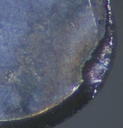
Failure cause: Excessive cutting-zone temperature softens the material, or chemical reaction between tool and workpiece forms a crescent-shaped crater on the rake face.
Optimization: Choose a chemically stable grade; use dry cutting or apply appropriate cutting fluid for cooling; reasonably control cutting speed to reduce cutting heat.
On-site Application Test Case
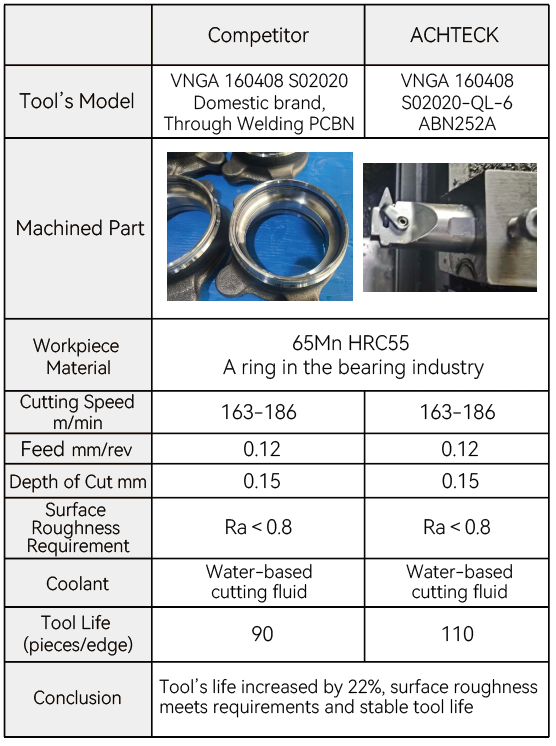

By diagnosing the customer's existing conditions and meeting on-site automated cycle-time requirements, we quickly matched a solution and achieved success.
In the future, we will launch more high-efficiency, high-precision, high-reliability specialized cutting tools to meet mechanical-machining customers' strict requirements for machining accuracy, efficiency, and environmental protection and energy savings. Stay tuned.