
Technical Deep Dive | In-Depth Analysis of Three Cemented Carbide Rod Forming Methods – Understanding the Differences at a Glance
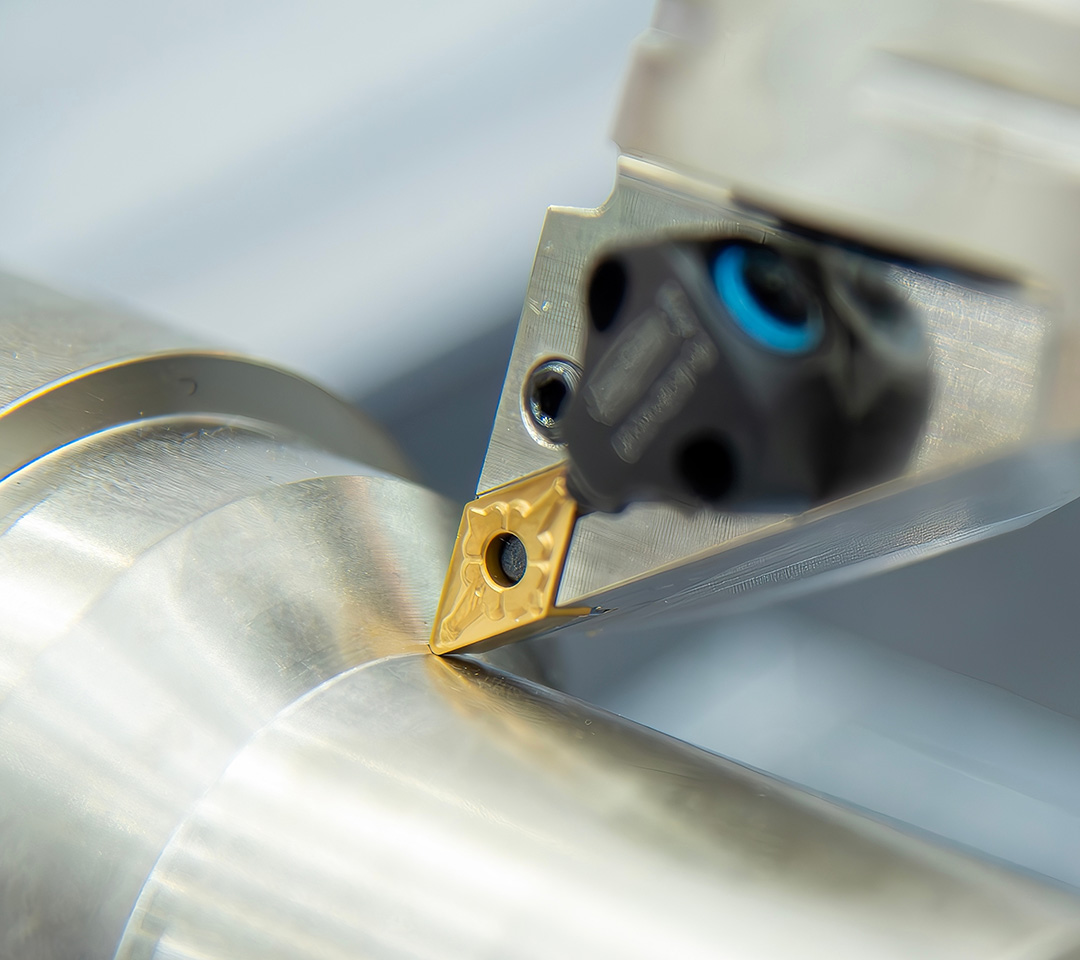
In the field of metal cutting, cemented carbide rods, with their advantages of high hardness, wear resistance, and strong toughness, have become the core substrate material for manufacturing rotary cutting tools such as drills, end mills, reamers, and custom non-standard tools. The forming quality of the rods directly determines the precision and service life of the final products.
Currently, there are three mainstream cemented carbide rod forming methods in the industry—die pressing, extrusion, and dry bag pressing. Each has its own focus and is suitable for different scenarios. Today, Achieving Cutting Tools will give you a comprehensive breakdown to help you quickly identify the forming solution that best fits your needs!
Die Pressing: The "Precision Master" of Traditional Processes
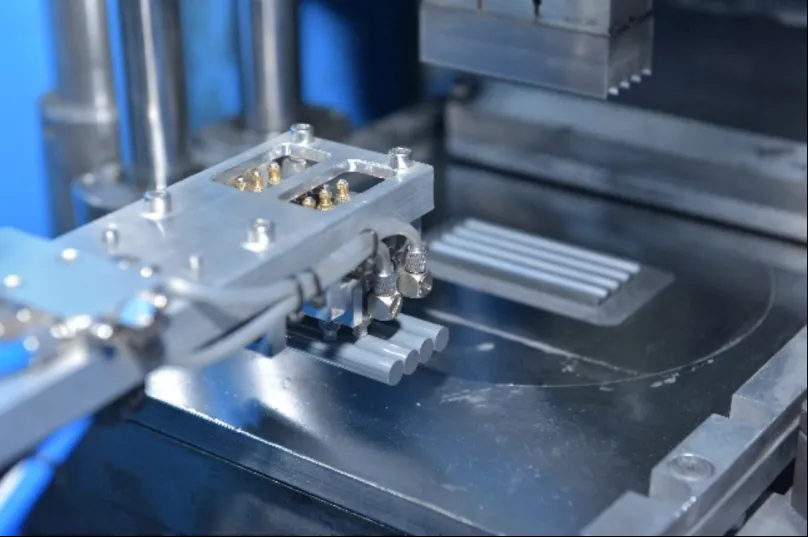
Working principle: The mixed material containing a binder is filled into a precision mold and pressed under unidirectional or bidirectional pressure on a press to directly form the rod blank.
Product characteristics:
High dimensional accuracy: Due to the constraints of the mold, the outer diameter of the blank has good consistency, with minimal deformation after sintering.
Mature process and relatively low cost: Easy operation with relatively low cost, suitable for high-volume standardized production.
High efficiency: For high-volume, small-size rods, die pressing offers the fastest pressing speed.
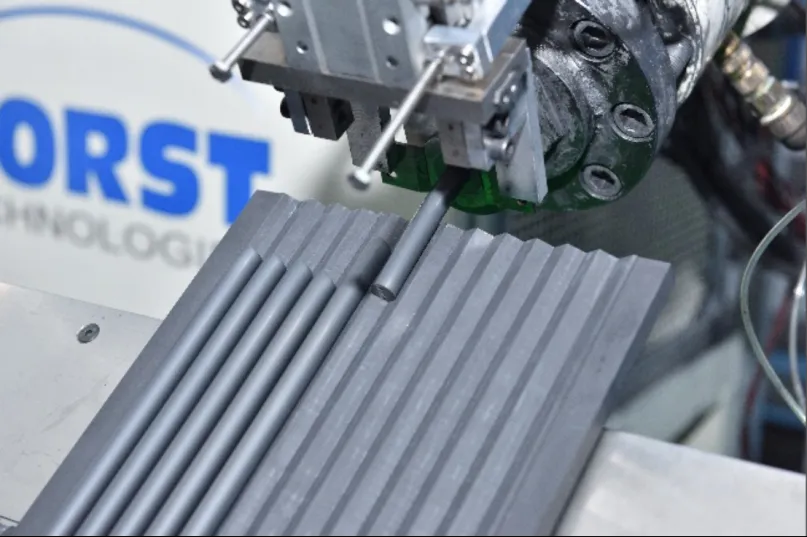
Limitations: High mold requirements, and the length is limited by the mold, generally suitable for producing shorter rods. During the die pressing (transverse pressing) process, because the upper and lower punches of the mold cannot directly contact, a "flash edge" is generated, requiring subsequent trimming, which increases process costs and yield fluctuations.
Suitable products: Standard rods with short length, small diameter, and large batch sizes.
Extrusion: The "Manufacturing Expert" for Slender Rods
Working principle: The mixed material is combined with a certain proportion of organic binder, and under the pressure of an extruder, it is extruded through the holes and slots of the die to form the desired shape and dimensions, enabling continuous forming.
Product characteristics:
Long length: In theory, rods of unlimited length can be produced, meeting the demands of tools with extremely large length-to-diameter ratios.
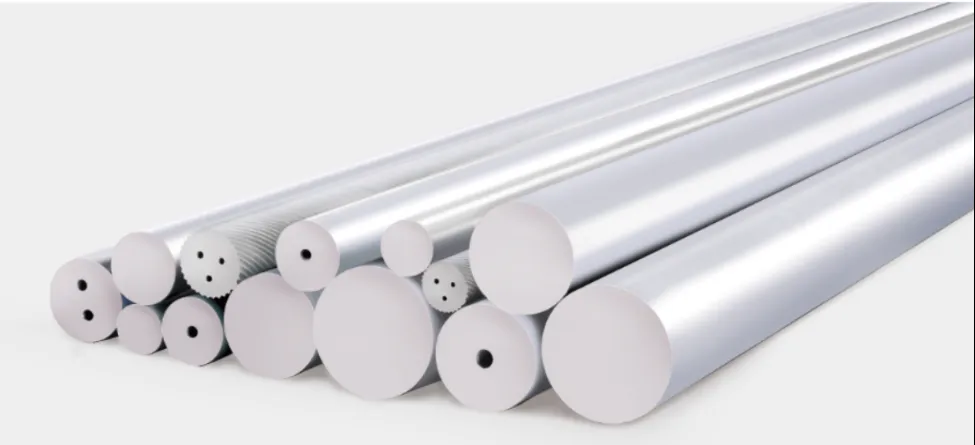
Preferred process for rods with holes: The biggest advantage of extrusion is the ability to easily produce rods with cooling holes (straight or spiral holes). By placing a core rod in the die center, the hole accuracy and straightness are very high.
Uniform density: During extrusion, the material flow is uniform, and the density consistency of the blank is better than that of die pressing.
Limitations: Requires the addition of more binder, and the dewaxing and sintering processes must be strictly controlled, otherwise shrinkage deformation or cracks may occur.
Suitable products: Long rods, internal cooling hole rods, and spiral rods.
Dry Bag Pressing: The "Balanced Master" for High-End Quality
Working principle: Cemented carbide powder is loaded into a semi-fixed flexible mold (dry bag), which is fixed inside a pressure vessel. Uniform pressure is applied to the mold through a fluid medium (water or oil), compacting the powder into a dense blank.
Product characteristics:
Ultimate uniformity: Due to the characteristics of liquid pressure transmission, the density distribution of the blank is extremely uniform, with homogeneous microstructure after sintering, no internal stress, and the most stable performance.
High precision and flexibility: Relatively low mold cost and fast changeover. Can press ultra-large diameter or ultra-long rods.
High green strength: The pressed blank has high strength, facilitating handling and turning operations.
Limitations: Lower production efficiency compared to die pressing; the outer diameter dimensional accuracy of the blank is not as high as that of die pressing (requiring subsequent vertical turning).
Suitable products: High-end solid rods, large-diameter rods, special-shaped parts, and precision tool blanks with extremely high requirements for performance uniformity.
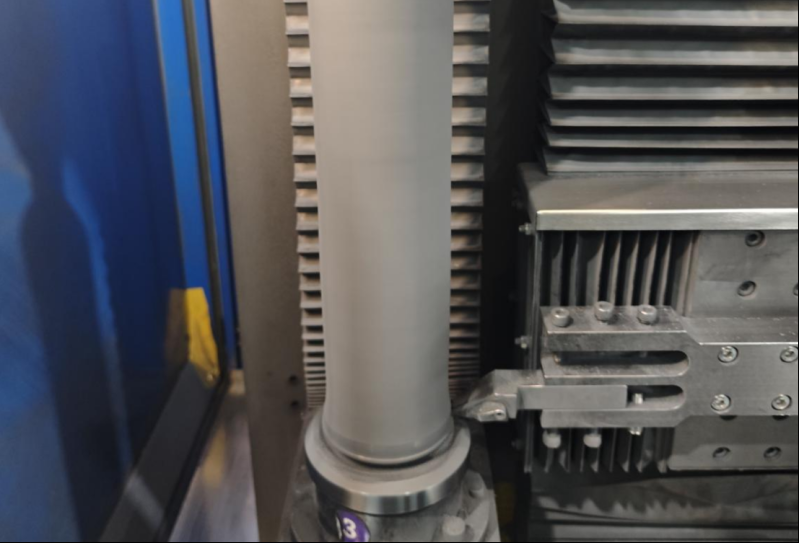
How to choose the forming method you need?
First dimension: Look at the "hole"—does the tool have an internal cooling hole?
If you need tools with internal cooling holes (such as high-pressure cooling end mills and drills), extrusion is the only choice. Only the extrusion process can form straight or spiral cooling holes inside the rod, with guaranteed hole straightness, roundness, and positional accuracy. Die pressing and dry bag pressing cannot directly form rods with precision internal holes
Second dimension: Look at the "geometric dimensions"—how long, how thin, and how thick is the tool?
The length and diameter of the tool directly affect the choice of forming method. The core principle is: die pressing is limited by the mold, while extrusion and dry bag pressing are more flexible.
Ultra-long rods (length >150mm, deep hole drills) or ultra-fine rods (diameter <3mm, micro-drills, micro-end mills):
Extrusion is the first choice. Extrusion allows continuous blank production with unlimited length and can stably produce micro-diameter rods. It is the ideal choice for slender tools (such as deep hole drills and micro-drills). Recommended grades: AK09N and AK06U.
Large-diameter rods (diameter >30mm):
Dry bag pressing is the first choice. Die pressing requires oversized molds, high costs, and uneven pressure distribution; extrusion has poor flowability for large-diameter materials. Dry bag pressing can easily press large-diameter rods with uniform density. Recommended grade: AK10F.
Conventional sizes (diameter 6mm-20mm, length ≤100mm, standard tools):
All three processes are applicable; choose comprehensively based on other dimensions. Recommended grade: AK10F.
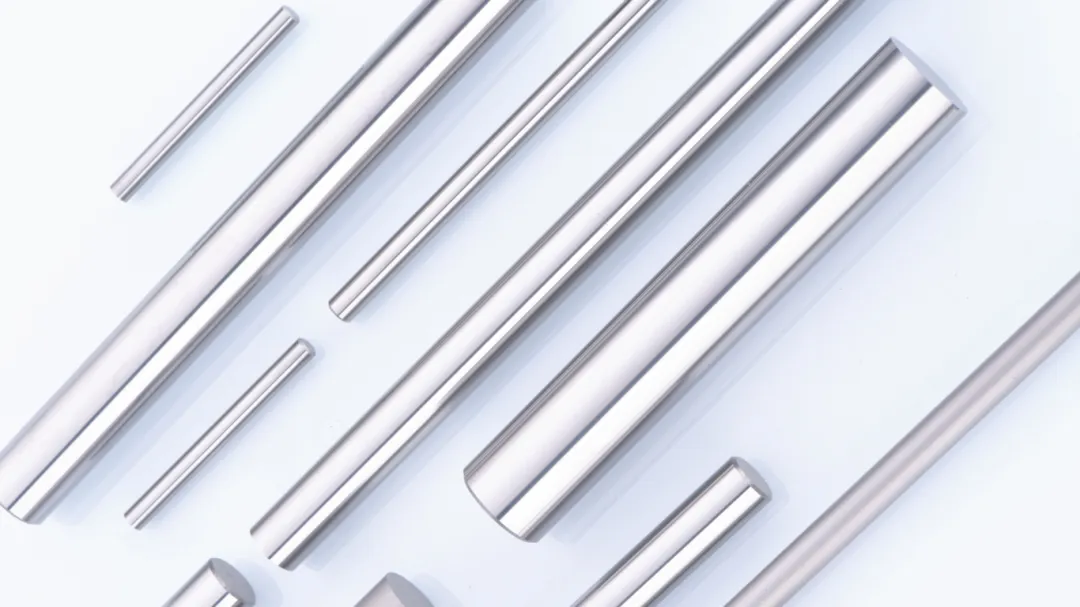
Achieving Cutting Tools has fully mastered all three of the above forming technologies, and its rod product production line is equipped with advanced technology and equipment. The rod products are mainly used to manufacture solid cemented carbide cutting tools suitable for machining various materials including steel, stainless steel, non-ferrous metals, titanium alloys, difficult-to-machine materials, as well as carbon fiber, graphite, PCB boards, wood, plastics, and more. With an ERP+MES system featuring full-process quality and production detail management capabilities, from R&D and design to production process, quality control, and sales service, real-time data collection, monitoring, online analysis, and adjustment are carried out throughout the entire process, ensuring consistency and traceability at every stage, providing customers with reliable and trustworthy products.