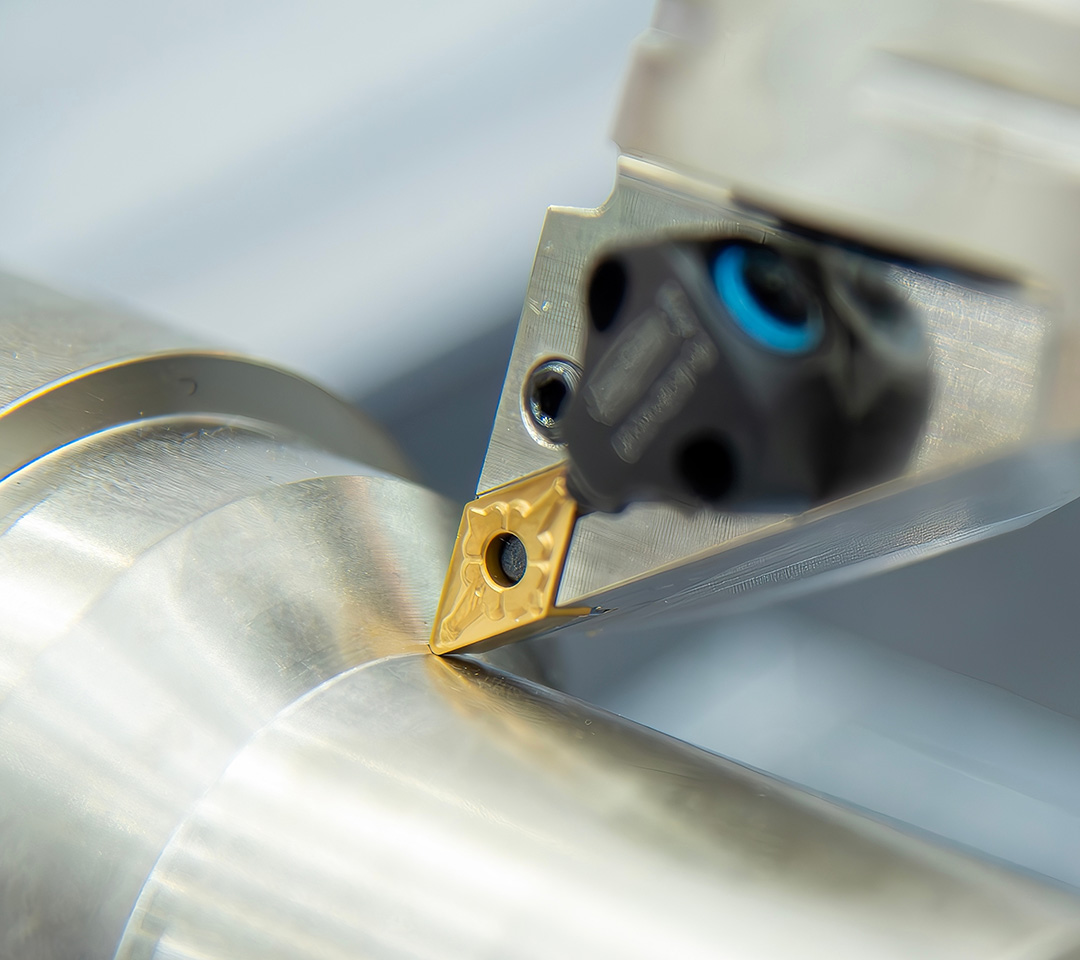

Reducing Machining Costs and Improving Production Efficiency: A Comprehensive Analysis of the Development, Selection, and Application of Indexable Drilling Tools
In machining, drilling is nothing new. Reducing customers' machining costs is also a constant development topic for many tool manufacturers. From "industrial consumables" to "efficiency engines," from which dimensions should we analyze to make metal cutting more efficient and move toward the coordinated high-quality development of "more, faster, better, and more economical"?
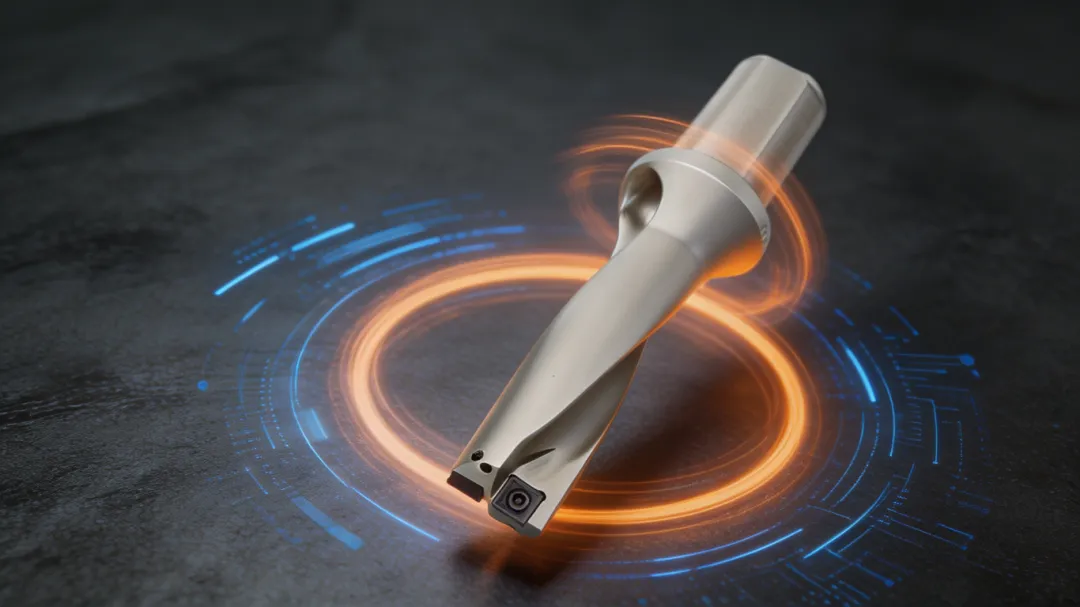
This article will summarize product characteristics and key application conditions from the perspectives of product development, selection strategies, failure modes, and analysis for indexable drilling tools, taking your productivity to a new level.
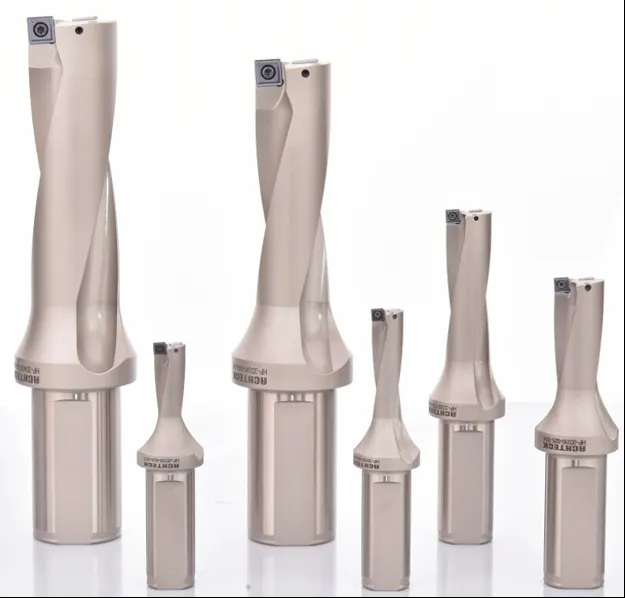
Definition and core working principle
Multi-edge design: Assembling 2-4 indexable drilling inserts with various assembly configurations
Quick indexing: When a single cutting edge fails, rotate the insert for immediate reuse
No re-sharpening required: Eliminating the disassembly and regrinding of traditional brazed tools
Five core technical advantages
High production efficiency: High material removal rate
Machining safety: Advanced manufacturing and inspection equipment ensuring batch-to-batch stability
High economy: Regularly replacing insert mounting screws to extend drill body life and reduce cost per hole
Good process flexibility: Changing insert grades enables flexible small-batch manufacturing of multiple materials
Easy technology iteration: Inserts can adopt the latest coating technologies at any time, enabling customized high-efficiency and high-volume machining solutions
On-site information
Workpiece material: Determine the material type to be machined (P/M/K/N/S)
Machining method: Drilling / Reaming / Other
Machining requirements: Hole diameter tolerance / Hole depth / Cycle time / Tool life
Machining environment: Internal cooling / External cooling / Oil mist cooling / Thin-walled / Weak clamping
Machining location: Pre-machined surface / Curved surface / Inclined surface / Forged surface / Intersecting holes
Based on the tensile strength of the workpiece material / machining cycle time / clamping rigidity / condition of the machining location / failure modes of center and peripheral inserts, select a general-purpose groove geometry / sharp groove geometry / combination of general-purpose + sharp.
Based on the type of workpiece material / condition of the machining location / previous failure modes of the insert, select a grade with good chipping resistance at medium to low speeds, good red hardness or high-temperature hardness, and superior wear resistance. Among drilling inserts, PVD coatings have broader applicability, while CVD coatings are mainly used as a supplement for forged steel / gray cast iron / medium-to-low strength ductile iron.
Machining commissioning
Based on the on-site tool's chip evacuation capability / chip shape and color / hole wall and hole diameter condition / drilling depth / characteristics of the workpiece material / insert grade and edge strength, adjust Vc and fn, coolant concentration and flow rate, provide auxiliary support or reasonably reduce tool overhang, use segmented program machining, and adjust process arrangement and tool product design for optimization.
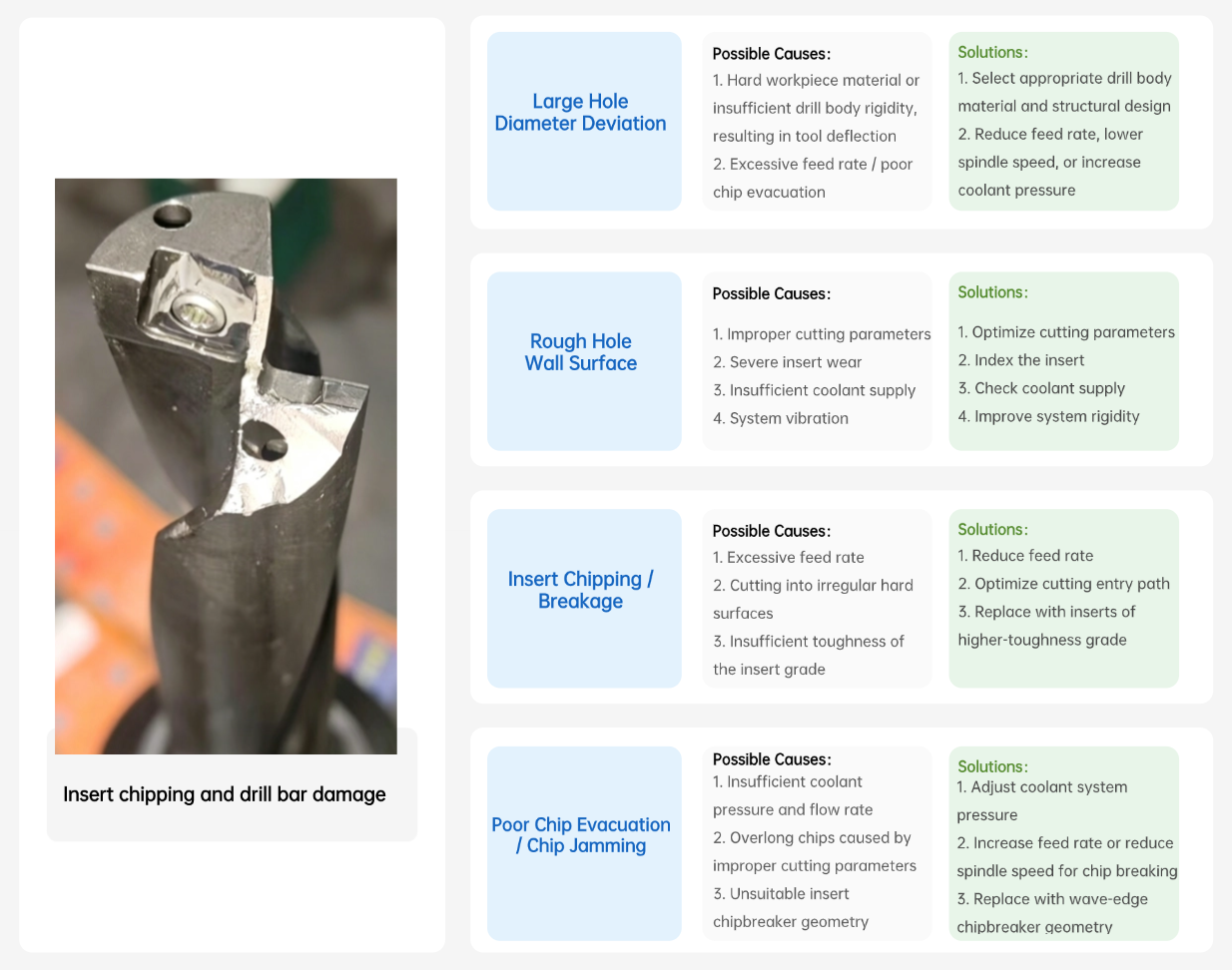
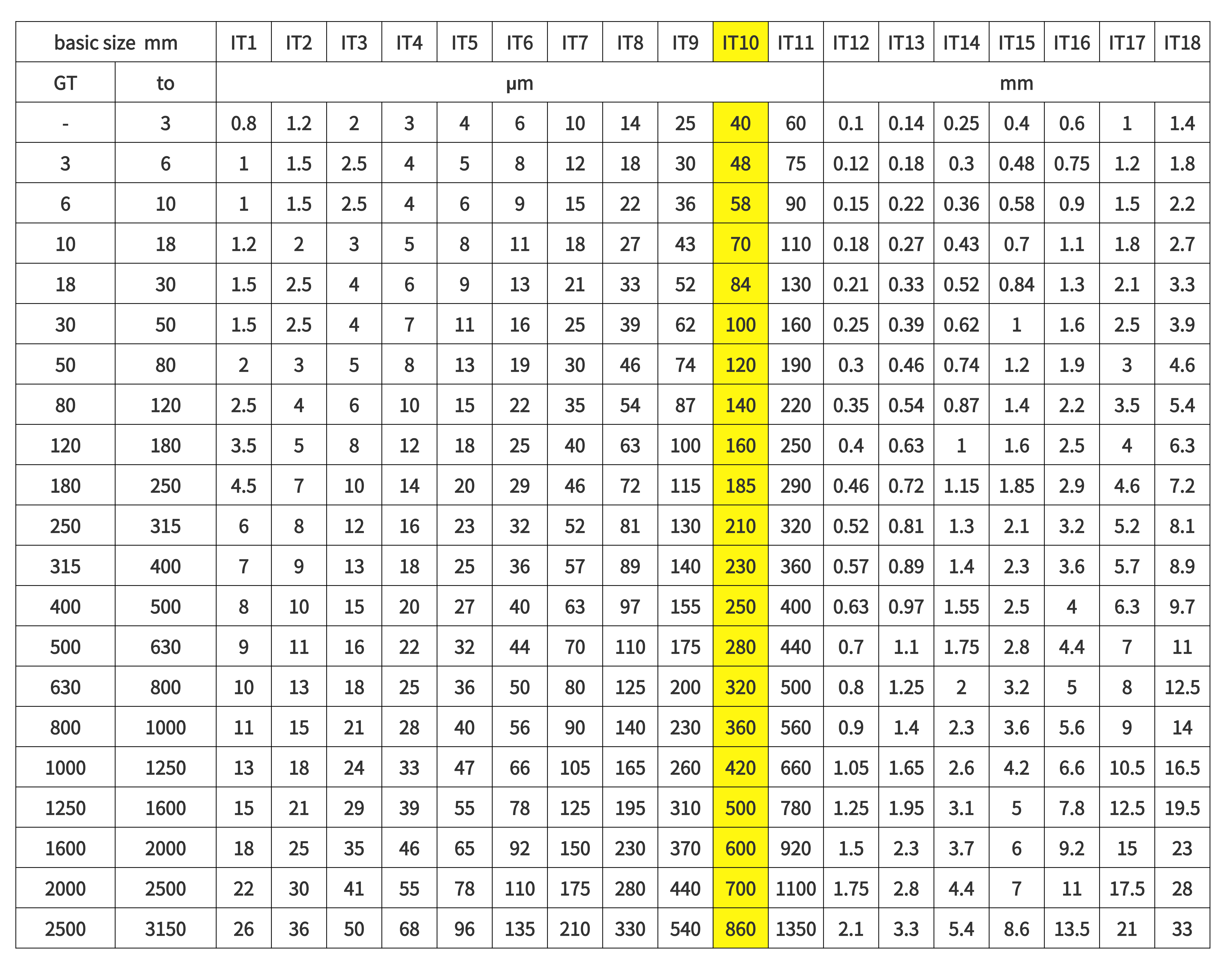
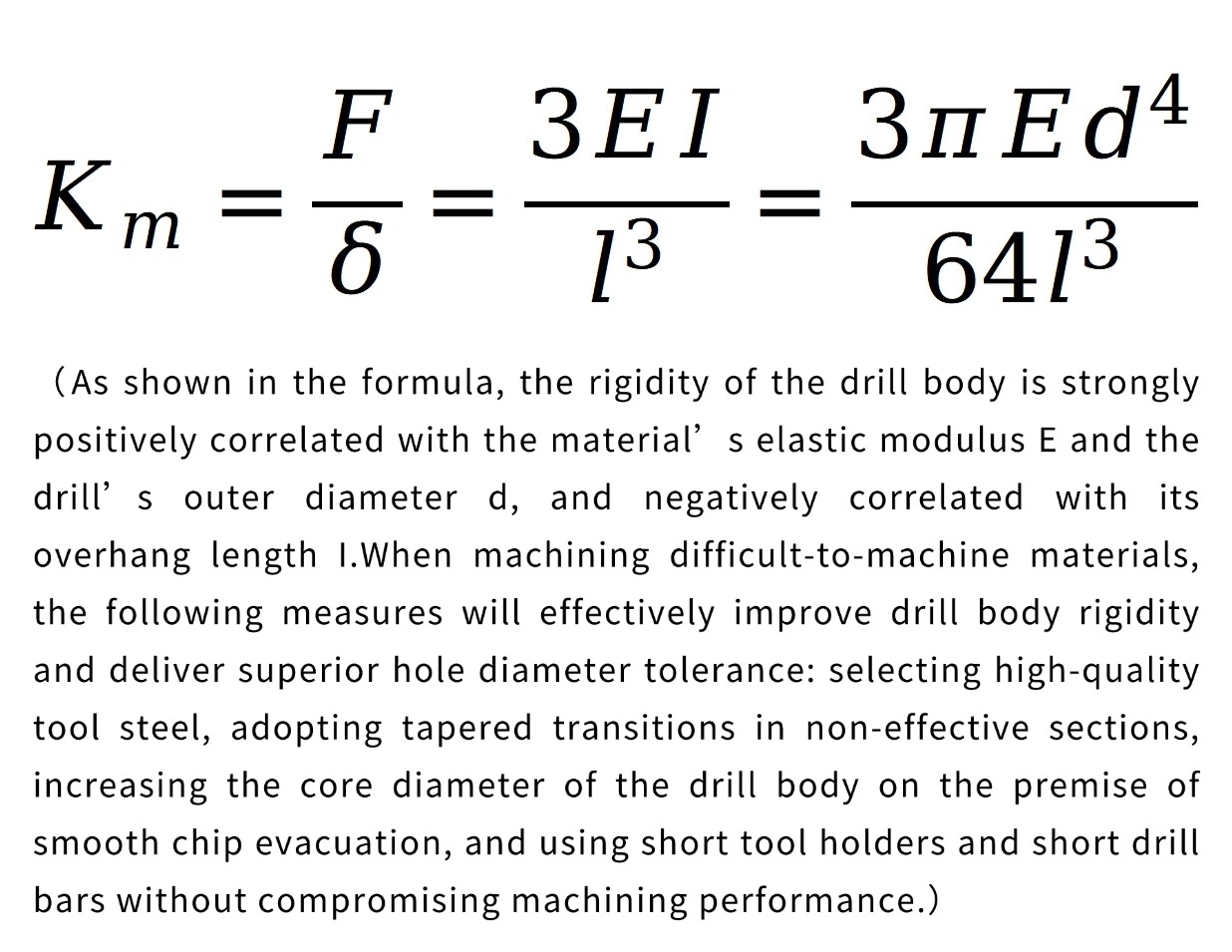
The fluctuation range of hole diameter can be controlled through insert precision grinding, machining control of the drill body insert pockets, and cutting parameter adjustments. However, due to cutting edge asymmetry, radial force imbalance, and the rapid decline in drill body rigidity under long overhang (≥4*Dc), this tool is classified as a roughing tool with a tolerance grade range of IT12-IT13. Appropriate process arrangement and suitable product series must be selected to achieve the final hole dimensional requirements.
Principles of dynamic parameter adjustment
Prioritize improving machining efficiency: Under the premise of ensuring tool life and part quality, prioritize increasing the feed rate (fn). This is the most direct means of improving efficiency, but machine tool torque, clamping rigidity, and drill body rigidity must be evaluated.
Effectively extend tool life: When tool wear is found to be too rapid and tool life is below expectations, the first consideration should be to appropriately reduce the cutting speed (Vc) in exchange for longer durability. At the same time, increase fn to balance efficiency or optimize chip breaking.
Optimize chip control: When chips are too long, tangled, or clogging the flutes, try increasing the feed rate or reducing the cutting speed to make chips easier to break and evacuate. For long-chip materials such as low-carbon steel and stainless steel, appropriately use peck drilling cycles.
When drilling on inclined surfaces, curved surfaces, or intersecting holes, the cutting edges are subjected to uneven impact loads, which can easily lead to tool chipping or premature wear.
Reduce feed rate: At the moments of entry into and exit from irregular surfaces, reduce the feed rate to 1/3 of the normal value to reduce impact forces, and edit the machining program in segments.
Spot facing: For inclined surfaces with an angle >10°, it is recommended to first mill a small flat surface with an end mill to provide a stable centering foundation for the drill.
Use high-rigidity tools: Prioritize drill body structures with short overhang and high rigidity to effectively suppress vibration during cutting and improve machining stability.
依托对机床性能、工件材料与加工参数的深度洞察,澳克泰工具为您精准匹配加工策略与刀具产品,提供一站式的高效加工解决方案。在保障加工质量稳定的基础上,助力提升加工效率、优化刀具成本。