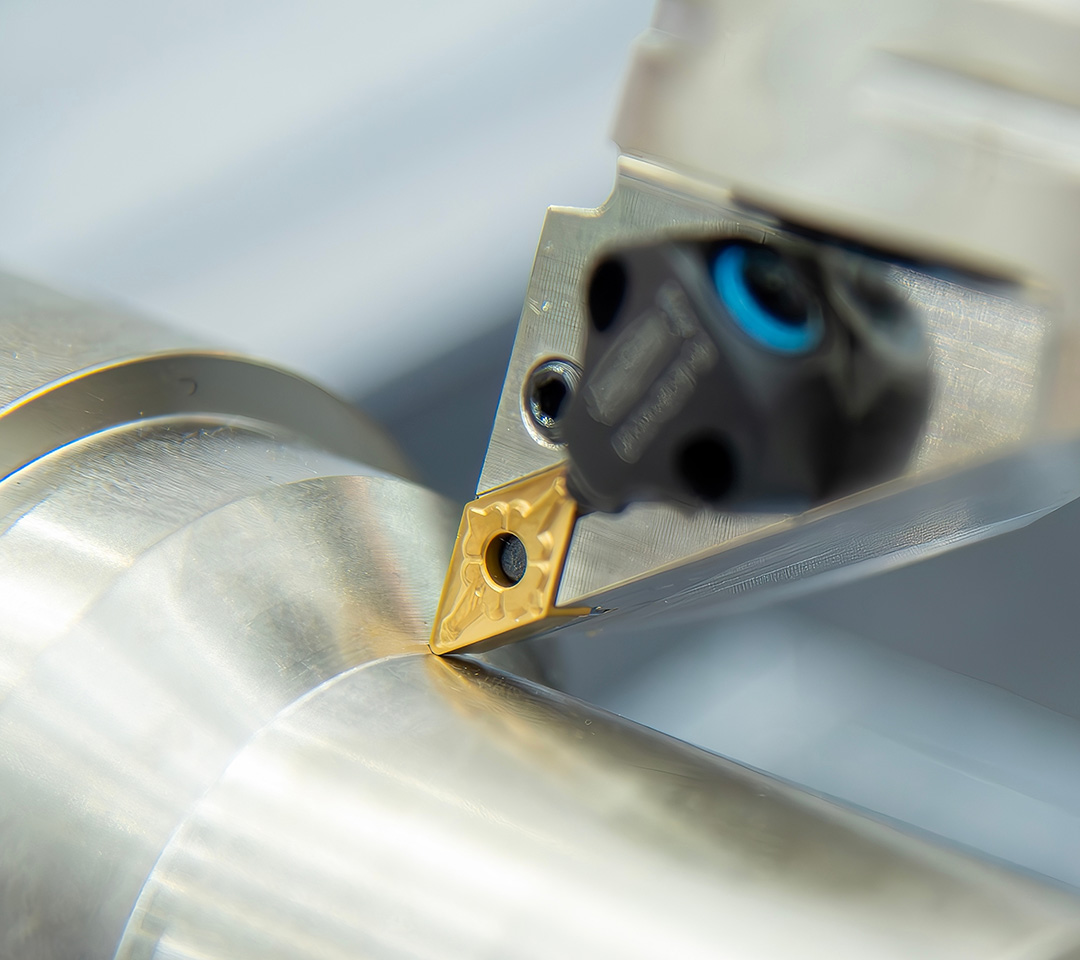

Still letting your tools “fight brute force with brute force” when machining hard-to-cut materials? Achteck Tools AC451S chooses to overcome hardness with controlled flexibility.

As aerospace technologies continuously advance toward higher thrust-to-weight ratio, higher Mach number, longer service life and lower cost, the performance requirements for hot-section materials used in aero-engines, rocket engines and hypersonic vehicles have exceeded traditional limits. Thanks to outstanding mechanical properties, superalloys and titanium alloys are widely adopted in harsh complex environments featuring high temperature, high pressure, fatigue loading and corrosion. The application of these materials is growing in aerospace, energy, national defense and other sectors. To meet material performance demands under diverse working conditions, material variants are increasingly enriched. Below is a general classification of the two material families:
Classification of Superalloys
Nickel-based superalloys:GH4169 (Inconel 718)GH4080A (Nimonic 80A)GH4738 (Waspaloy)......
Iron-based superalloys:GH2132 (A-286), GH29......
Cobalt-based superalloys:Stellite 21, K640, GH5188 (HA-188)......
Classification of Titanium Alloys
α titanium alloys (TA series)Representative grades: TA15, TA7 (Ti-5Al-2.5Sn)
α+β dual-phase titanium alloys (TC series, most widely used)Representative grades: TC4 (Ti-6Al-4V), TC6, TC11
β titanium alloys (TB series)Representative grades: TB2, TB3, TB5, Ti-10V-2Fe-3Al (Ti5553)
γ-TiAl based alloysRepresentative grades: Ti‑48Al‑2Cr‑2Nb (4822), Ti‑47Al‑2Nb‑0.2W, Ti‑45Al‑8Nb (TNM)
Key Challenges in Machining These Materials
Poor thermal conductivity leads to massive accumulation of cutting heat at the tool tip during machining, resulting in short tool life.
The materials are prone to work hardening, significantly raising the hardness of machined surfaces and accelerating flank grooving wear.
High material strength generates distinct serrated chips. Dramatic fluctuations of cutting load during chip breaking accelerate tool fatigue failure.
High ductility causes poor chip breaking and secondary cutting. Built-up edge readily forms, triggering cutting edge chipping.
In the past, most tool development strategies adopted a "hard against hard" approach. However, tool tips often failed to withstand continuous thermal shock and alternating loads, suffering edge chipping or rapid wear. Manufacturers were forced to adopt conservative cutting parameters and frequent tool changes to sustain production.Achteck Tools’ newly launched milling grade AC451S follows a completely different philosophy — overcoming hardness with controlled flexibility.
Its "flexibility" does not mean weakness. Instead, it represents advanced engineering wisdom: understanding workpiece materials, dissipating cutting forces and absorbing impact. Similar to Tai Chi pushing hands, it avoids head-on confrontation with the workpiece material. Instead, it diverts cutting forces, conducts heat away and absorbs impact. This enables stable, longer-lasting and more efficient machining of hard-to-cut materials.
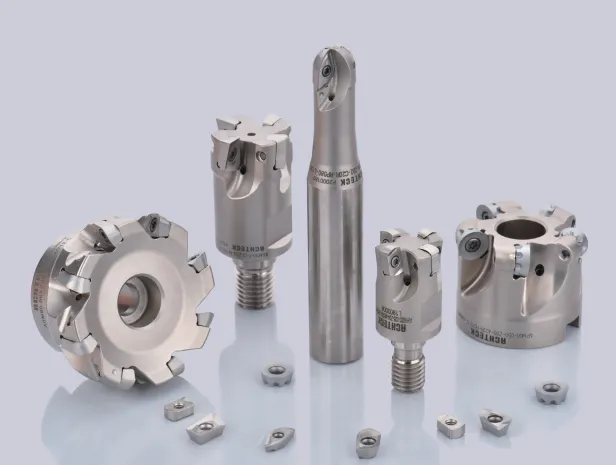
Technical Breakdown
The Cutting-Edge Technology Balancing Rigidity and Flexibility
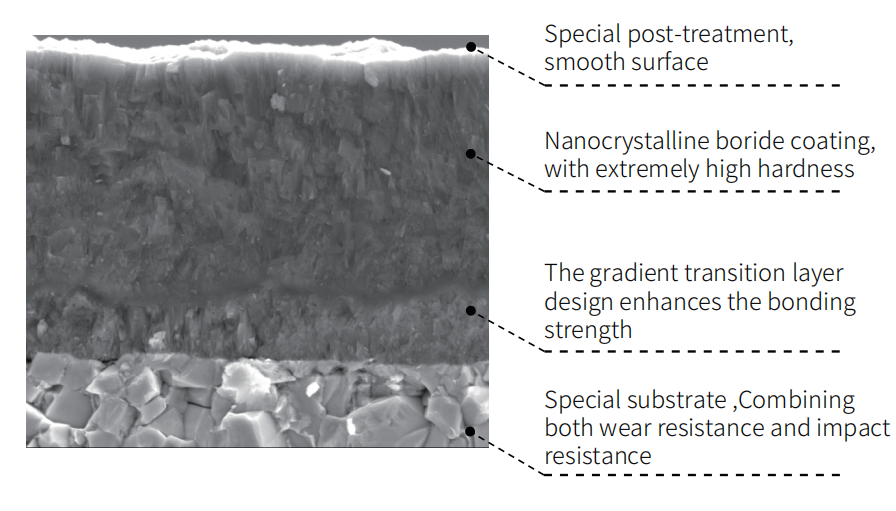
01 Advanced Substrate
Improves strength and hot hardness, mitigating shortened tool life caused by cutting heat.
Enhances substrate impact toughness, reduces tool failure induced by fluctuating cutting loads and alleviates grooving wear.
Boosts bonding strength between cemented carbide grains within the substrate, lowering the risk of insert chipping. Abrasive wear becomes the dominant failure mode, delivering predictable tool life and safer production of high-value components.
02 Specialized Coating
Nanocrystalline boride coating technology delivers extremely high surface hardness and superior resistance to high-temperature wear.
Special post-treatment of coating surface greatly enhances surface finish, reduces surface friction coefficient and inhibits built-up edge formation.
Optimized interlayer design between coating and substrate improves interfacial bonding strength, slowing crack propagation caused by fatigue failure, as well as coating delamination and edge chipping triggered by built-up edge.
03 Application Technical Support
Product coverage includes high-feed milling, copy milling and square shoulder milling.Customized machining strategies and technical support are provided for different machining methods and part features, helping customers overcome machining obstacles.
Validated Machining Data
Outstanding performance proven in real testsAdvanced theory must be verified through practical performance. Under identical cutting conditions (Workpiece: GH4169; Cutting speed Vc=45m/min; ap=1mm; ae=20mm; fz=0.2mm/tooth), a direct comparison was conducted between Achteck AC451S and a competing product.
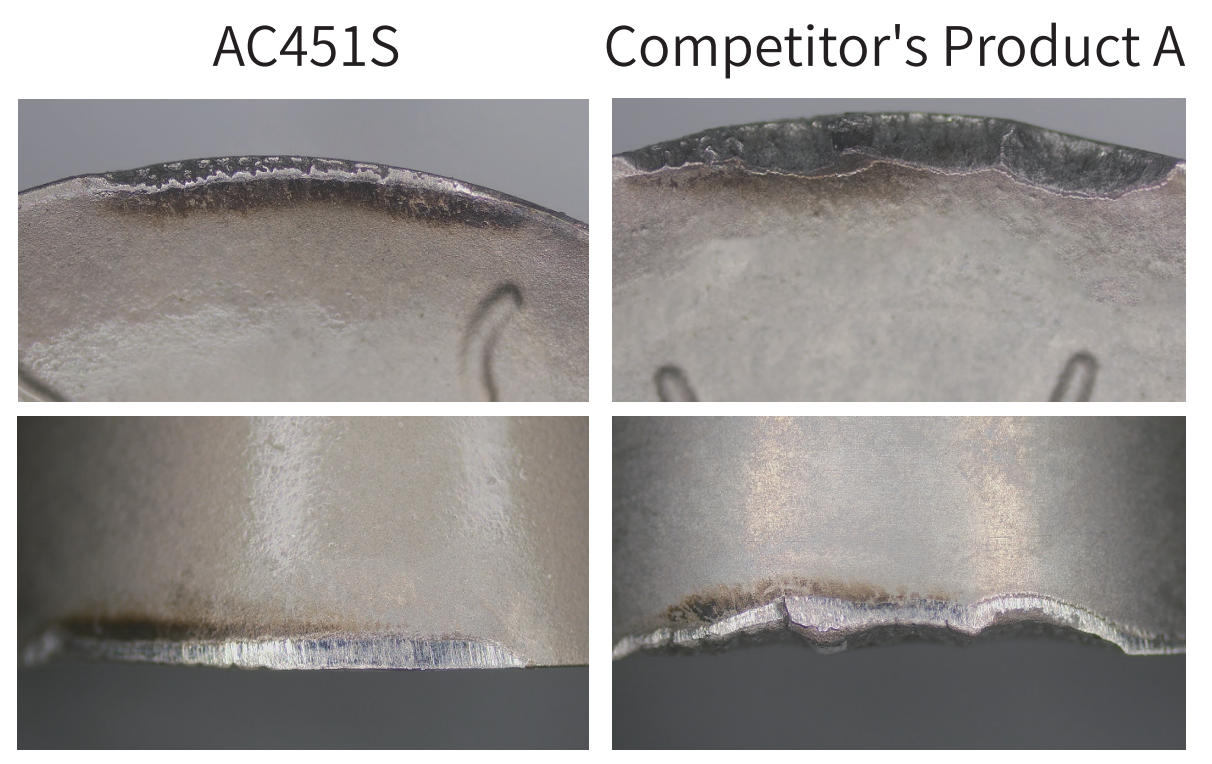
Test results speak for themselves:Within the same machining duration, AC451S exhibits markedly lower flank wear (VB value). Its ultra-smooth high-hardness CVD coating effectively reduces cutting heat, demonstrating absolute advantages in wear resistance enabled by the "overcoming hardness with flexibility" concept.
Case Studies
From laboratory validation to mass productionRecently, Achteck was invited by a major aerospace enterprise in Southwest China to resolve issues including poor blade machining performance, low productivity and high manufacturing costs. AC451S delivered excellent results during on-site trials and showed remarkable performance in real production environments.
Case 1
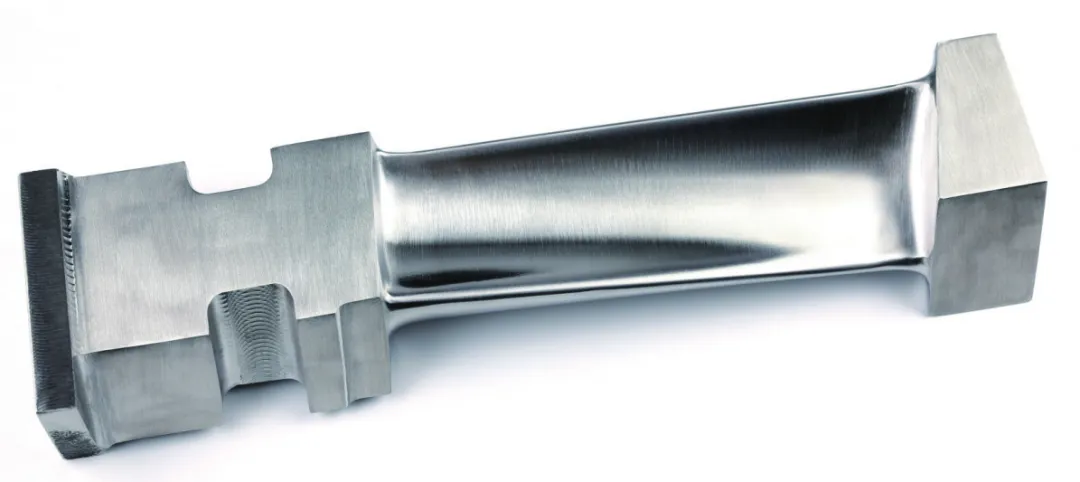
Workpiece Material: GH2132
Component: Blade (with surface scale and uneven machining allowance)
Customer Pain Points: Frequent insert chipping, short tool life, and low productivity caused by frequent tool changes.
Tool Holder: APM00-050-Z05-A22R-RO12-C
Insert Grade: ROHT 1204M8E-MM3 AC451S
Cutting Parameters: Vc=50m/min; ap=1.0mm; ae=30mm; fz=0.1mm/tooth
Machining Condition: Wet cutting
Conclusion: Even under harsh machining conditions, Achteck AC451S delivers smooth, effortless cutting with stable cutting resistance. Tool life increased by 20% compared with the customer’s existing tools. The customer was highly satisfied and immediately placed a formal order. This fully proves the robust rigidity of AC451S under heavy impact loads.
Case 2
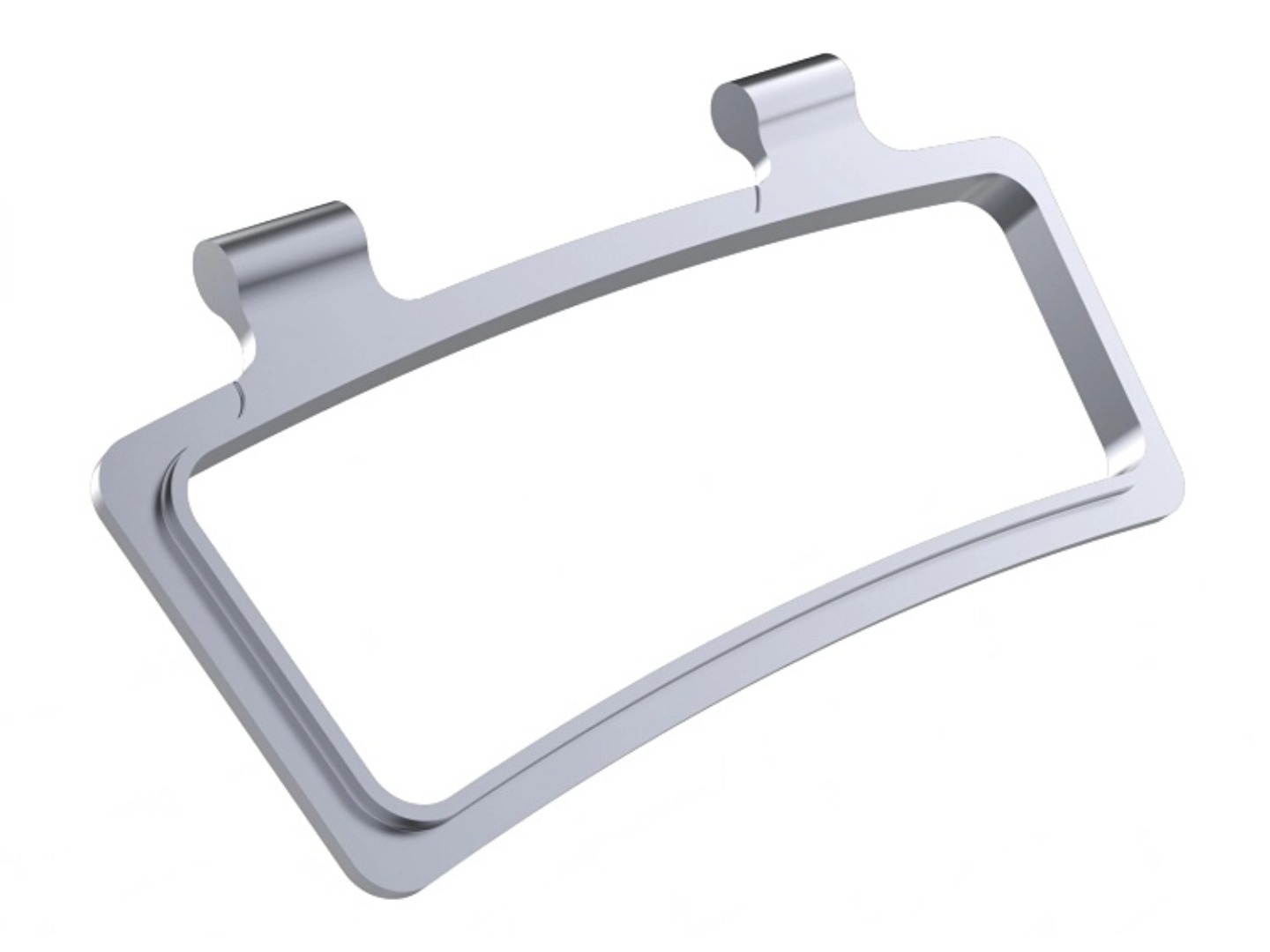
A customer in Northwest China encountered persistent machining difficulties with existing tooling: heavy cutting resistance, severe chatter vibration, and unsatisfactory tool service life. The customer requested tool optimization.
Workpiece Material: Superalloy
Component: Mounting flange
Customer Pain Points: Small-sized, low-rigidity thin-walled part. Severe noise and vibration occurred with existing inserts, and tool life failed to meet expectations.
Tool Holder: AHM20-021-Z03-C20R-LN06-L160-C
Insert Grade: LNMX 060410ER-MM3 AC451S
Cutting Parameters: Vc=46m/min; ap=0.5mm; ae=21mm; fz=0.3mm/tooth
Machining Condition: Wet cutting
Conclusion: After switching to Achteck AC451S, cutting resistance decreased significantly with no chatter vibration observed. Tool life rose by 33%, from 1.5 workpieces to 2 workpieces per cutting edge. This drastically reduces machine downtime for tool changes and delivers visible productivity improvement on the production line.
Select the Right Cutting Tool
Secure safe and efficient machining solutions
As demonstrated by grade AC451S, hardness is not the sole decisive factor in metal cutting. Featuring the ultimate balance of tough core with smooth exterior, Achteck AC451S breaks the rigid confrontation logic of traditional cutting. Its ultra-smooth surface mitigates high cutting resistance, while the tough inner substrate withstands intense impact. This represents not only an innovation in coating technology, but also a reshaping of machining principles for hard-to-cut materials.Choosing AC451S means harnessing engineered "flexibility" to conquer the "hardness" of difficult machining processes, bringing enhanced productivity and lower production costs.
If you are seeking an optimal solution for superalloy and titanium alloy machining, Achteck AC451S deserves a trusted position in your tool library.