

Automotive Industry
Delivers competitive products and services for the automotive industry.

-
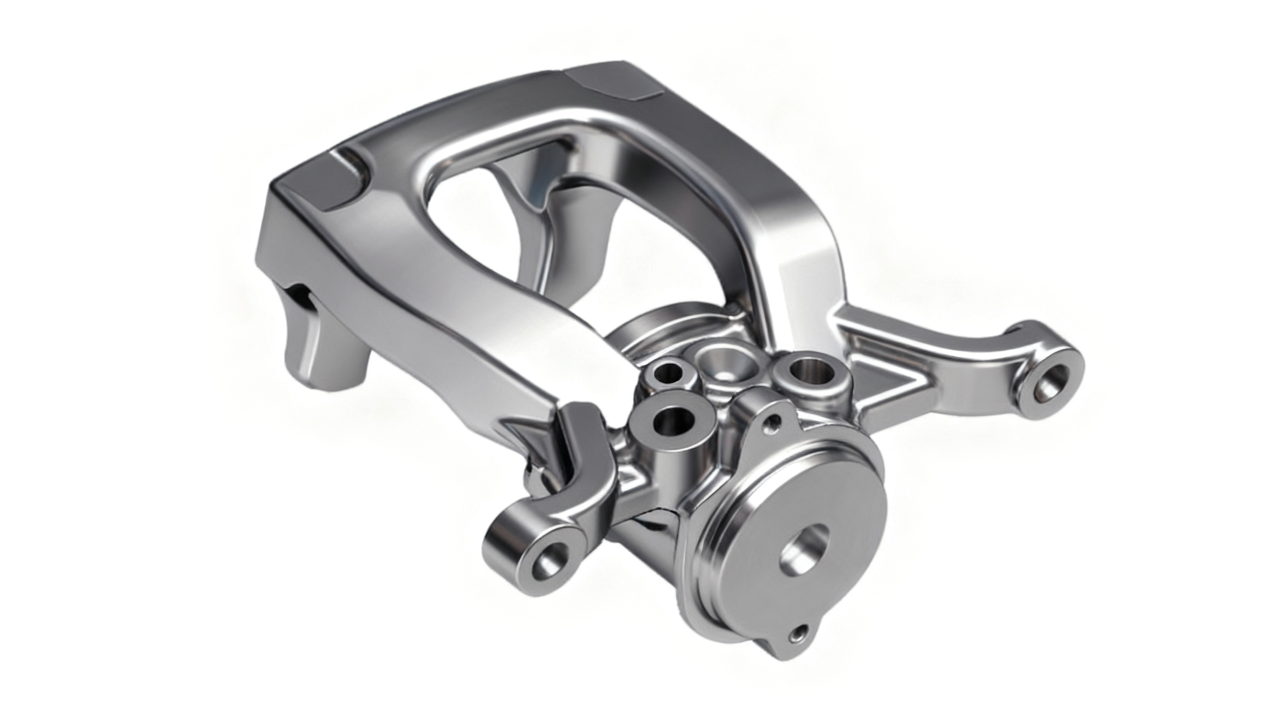
1. Caliper
Read more -
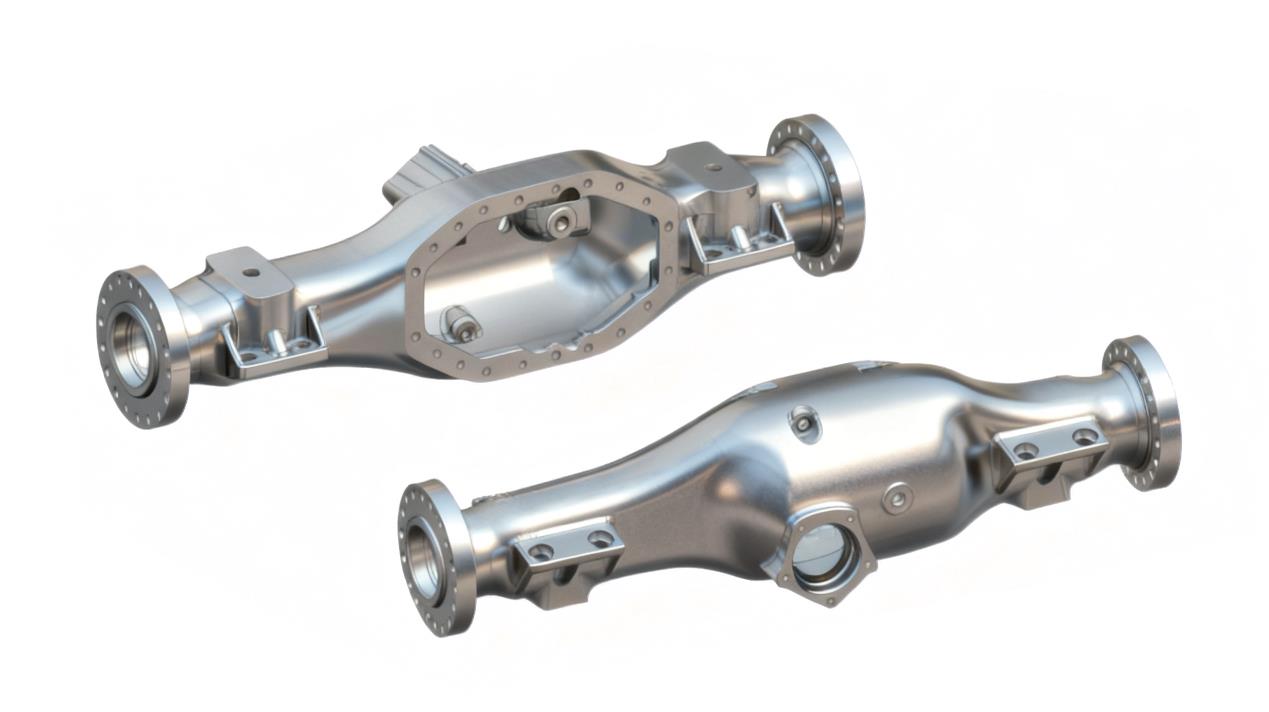
2. Axle
Read more -
3. differential housing
The primary material for differential housings is ductile iron. Driven by lightweighting requirements, high-strength aluminum alloys are rapidly replacing traditional ductile iron in these components.
Read more -
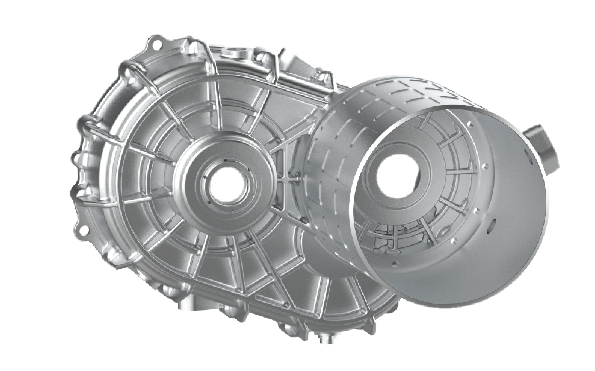
4. Motor Housing Machining
Motor housings are generally thinner and more structurally complex than gearbox housings, and integrated multi-functional structures will be a future trend.
High precision, large diameter and easy-to-deform thin walls are the main characteristics of current motor housing machining.Read more -
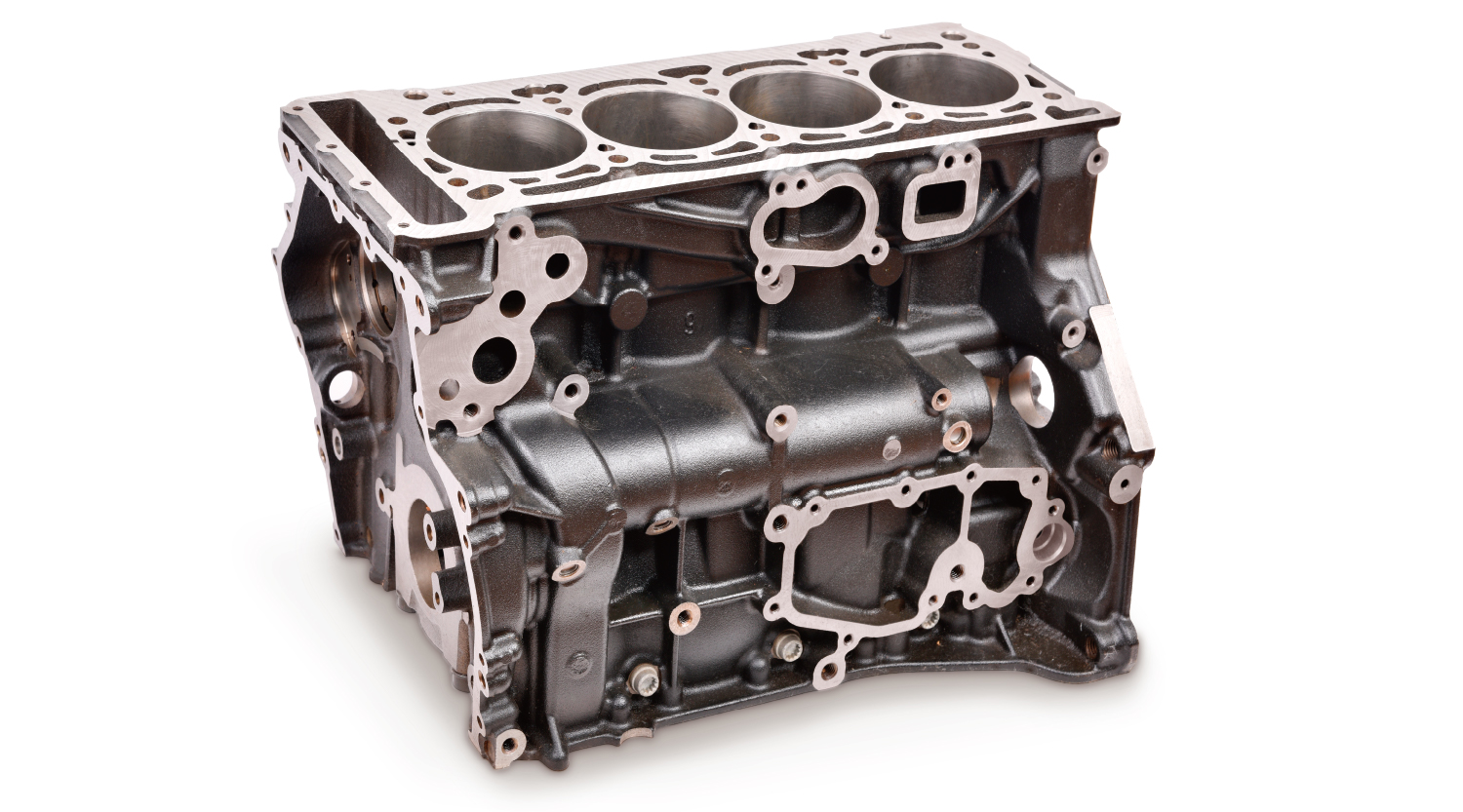
5. Cast Iron Cylinder Block Machining
Cast iron materials, primarily gray cast iron and ductile iron, remain in use for diesel engines and some gasoline engines. In recent years, the usage of compacted graphite iron (CGI) has also been steadily increasing.
Read more -
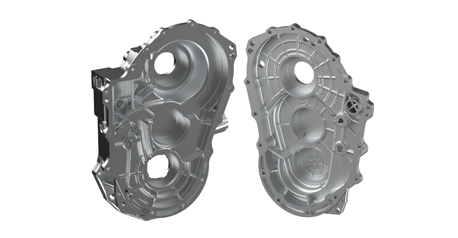
6. Reducer Housing
Reducer housings for new energy vehicles are typically made of cast aluminum alloy. These components are characterized by thin walls and high dimensional accuracy. For sealing purposes, the mating surfaces often require knurling.
Read more -
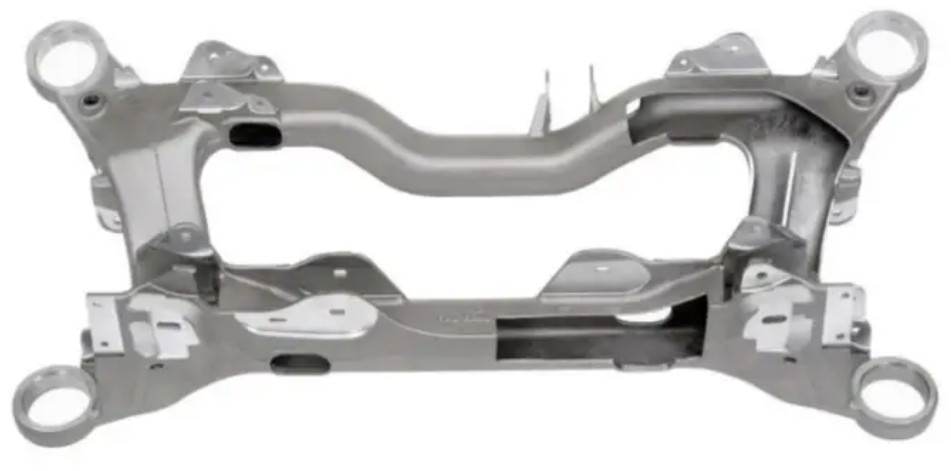
7. Subframe
Aluminum alloy integral subframes require more extensive machining compared to traditional welded structures. Key machining characteristics include thin walls, long overhangs, and high susceptibility to vibration.
Read more -
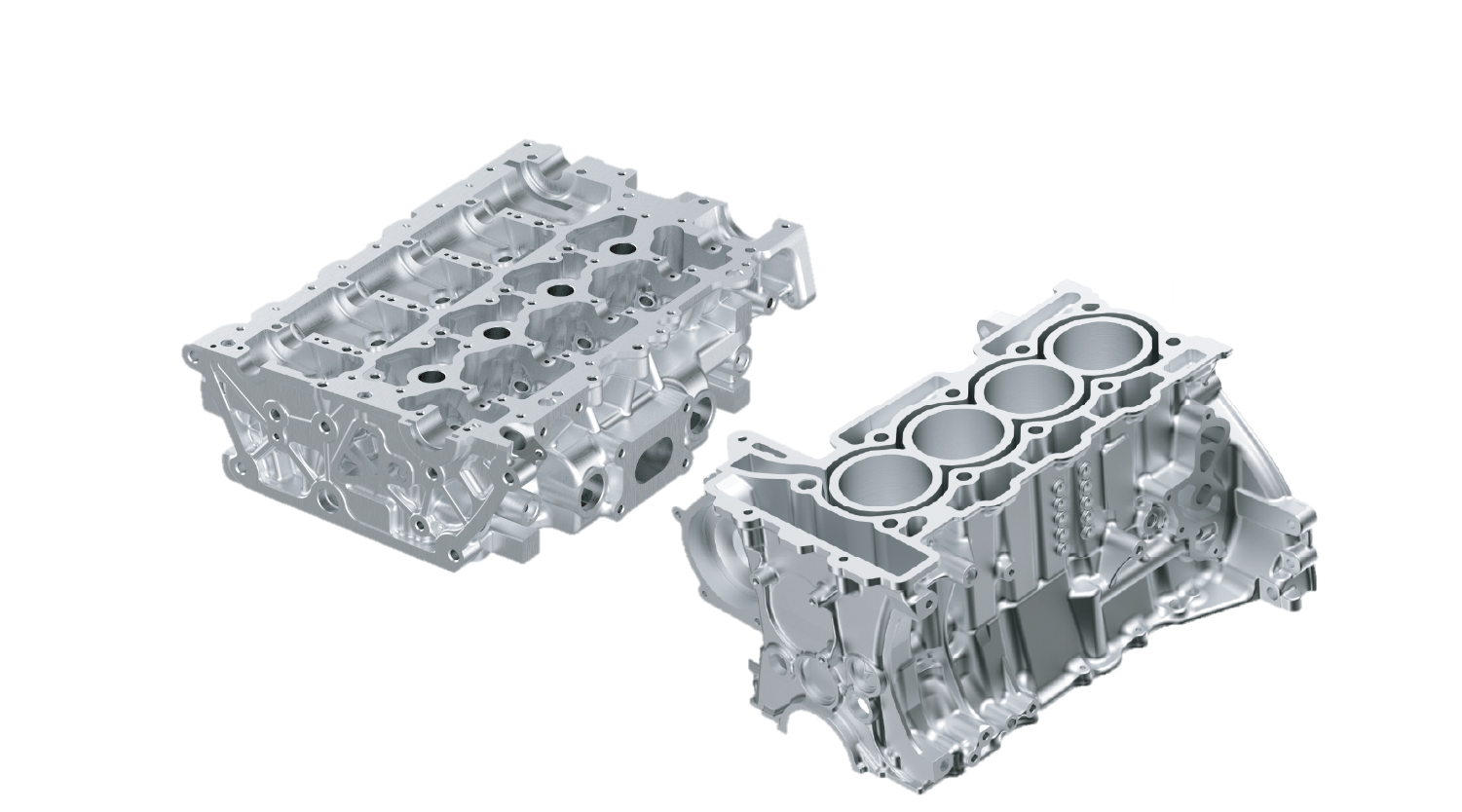
8. Aluminum Alloy Cylinder Block & Cylinder Head Machining
Passenger vehicle cylinder blocks and heads are typically made of cast aluminum alloy, while commercial vehicle cylinder blocks remain primarily cast iron. These materials have low hardness, are prone to built-up edge (BUE) formation, and produce high levels of burrs. Machining processes are characterized by long cycle times, numerous dimensional features, and components sensitive to temperature changes, with critical bores requiring high dimensional accuracy and strict CPK (Process Capability Index) compliance. Primary operations include face and hole machining, with additional requirements for knurling and bimetal machining. Driven by extreme efficiency demands, a wide range of custom composite tools are used to support high-volume, automated production.
Read more -
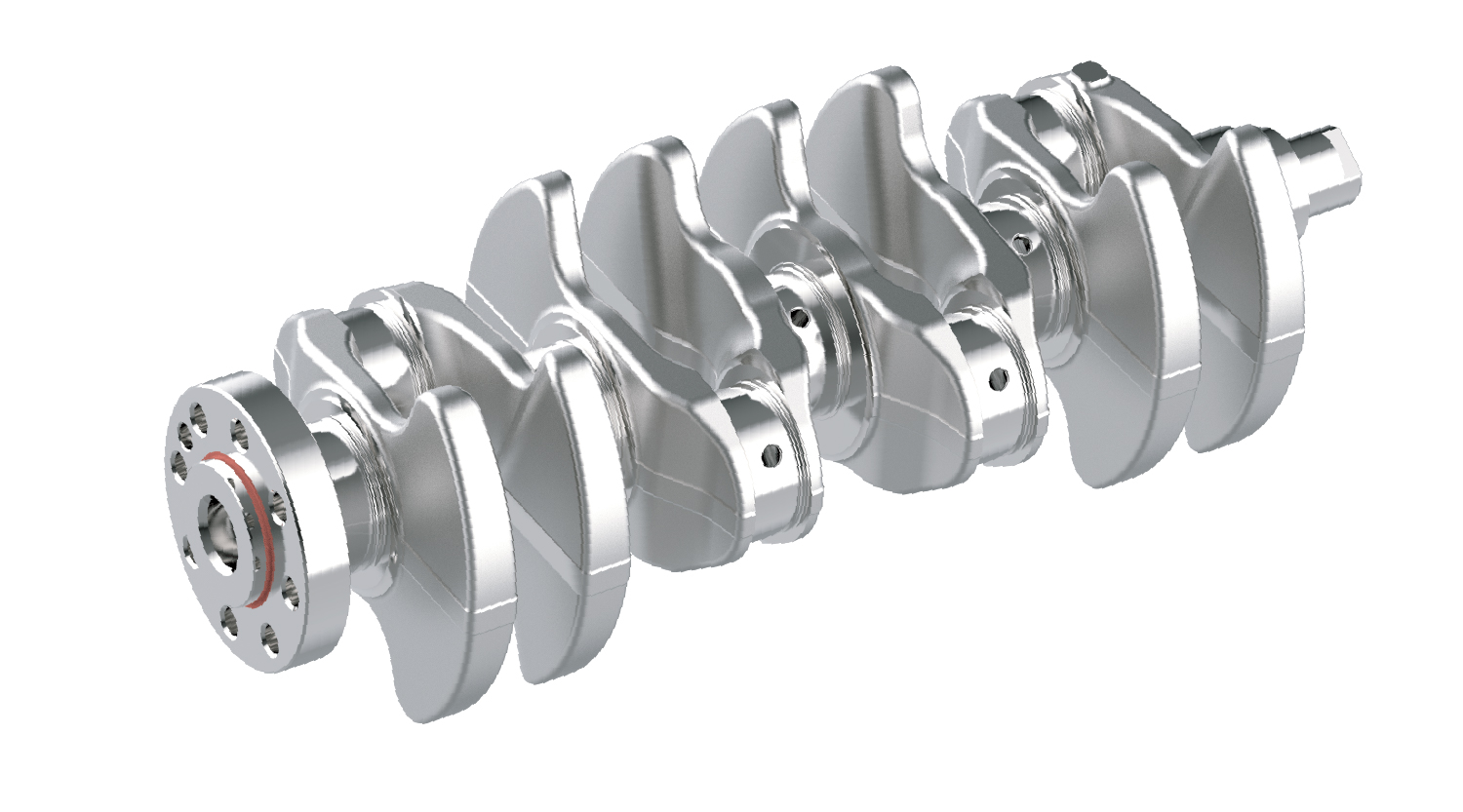
9. Crankshaft Machining
Crankshafts are primarily made of cast iron or steel components. Special attention must be paid to chip breaking when machining steel crankshafts.
Read more -
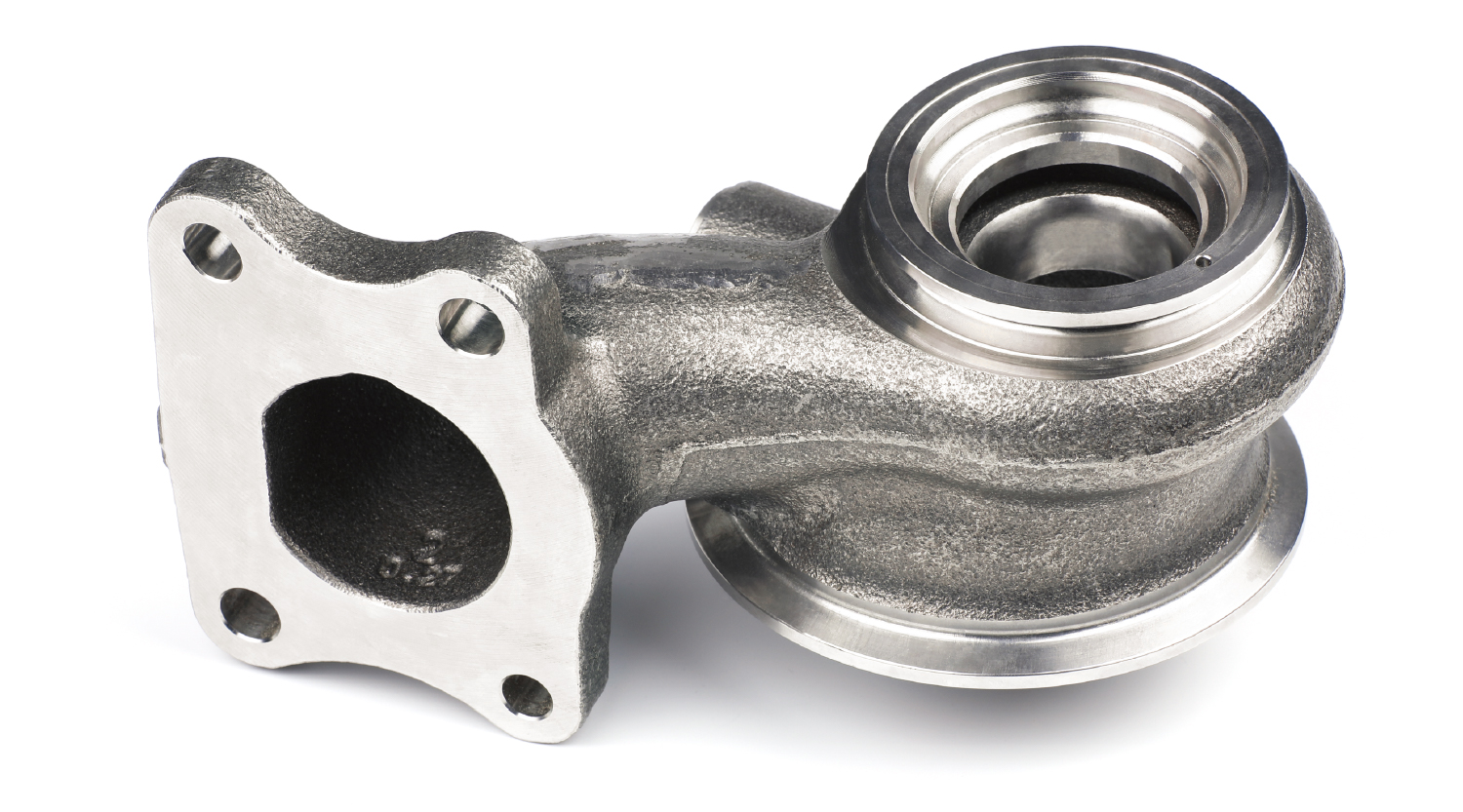
10. Turbocharger Housing Machining
The dominant material for turbocharger housings on the market is high-nickel austenitic stainless steel, which presents the following key machining characteristics: 1. Prone to built-up edge (BUE) formation and high cutting forces; 2. Exhibits work hardening and springback tendency after machining; 3. Has poor thermal conductivity.
Read more