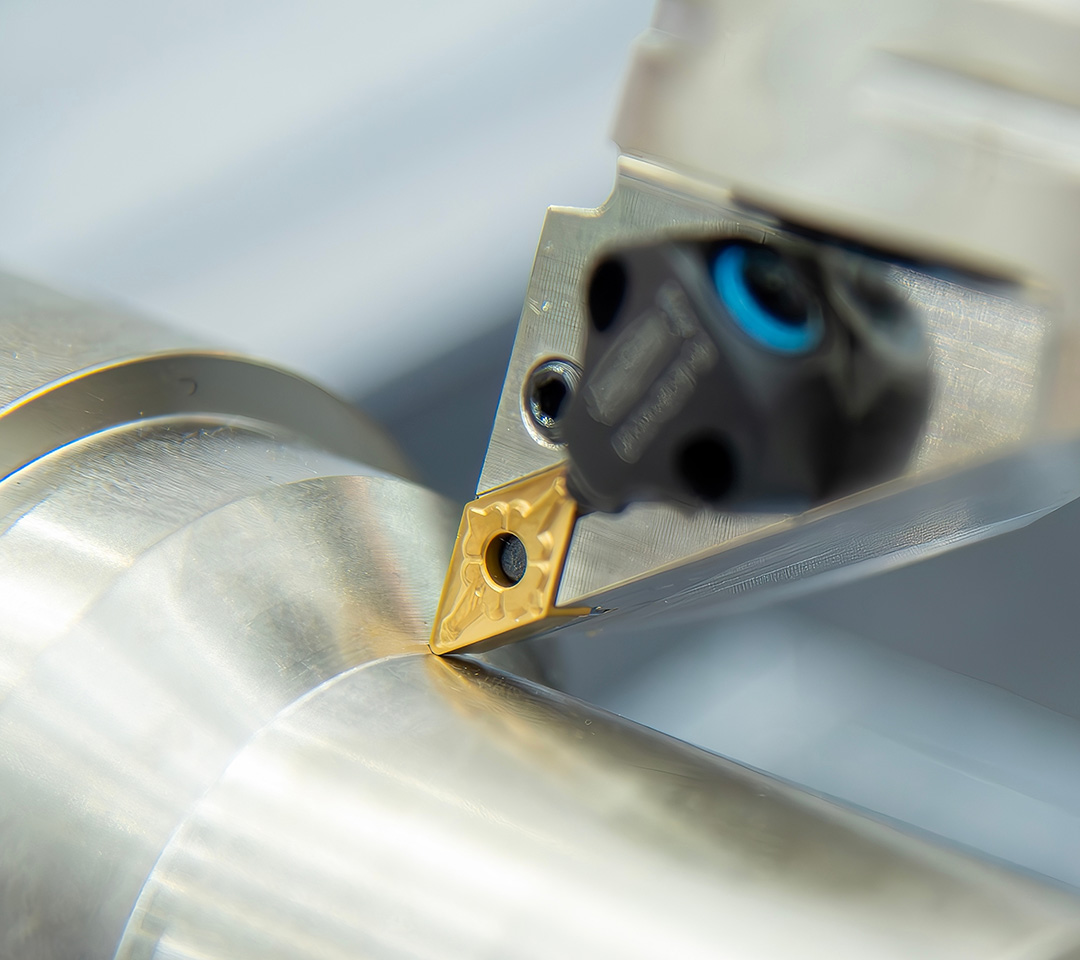

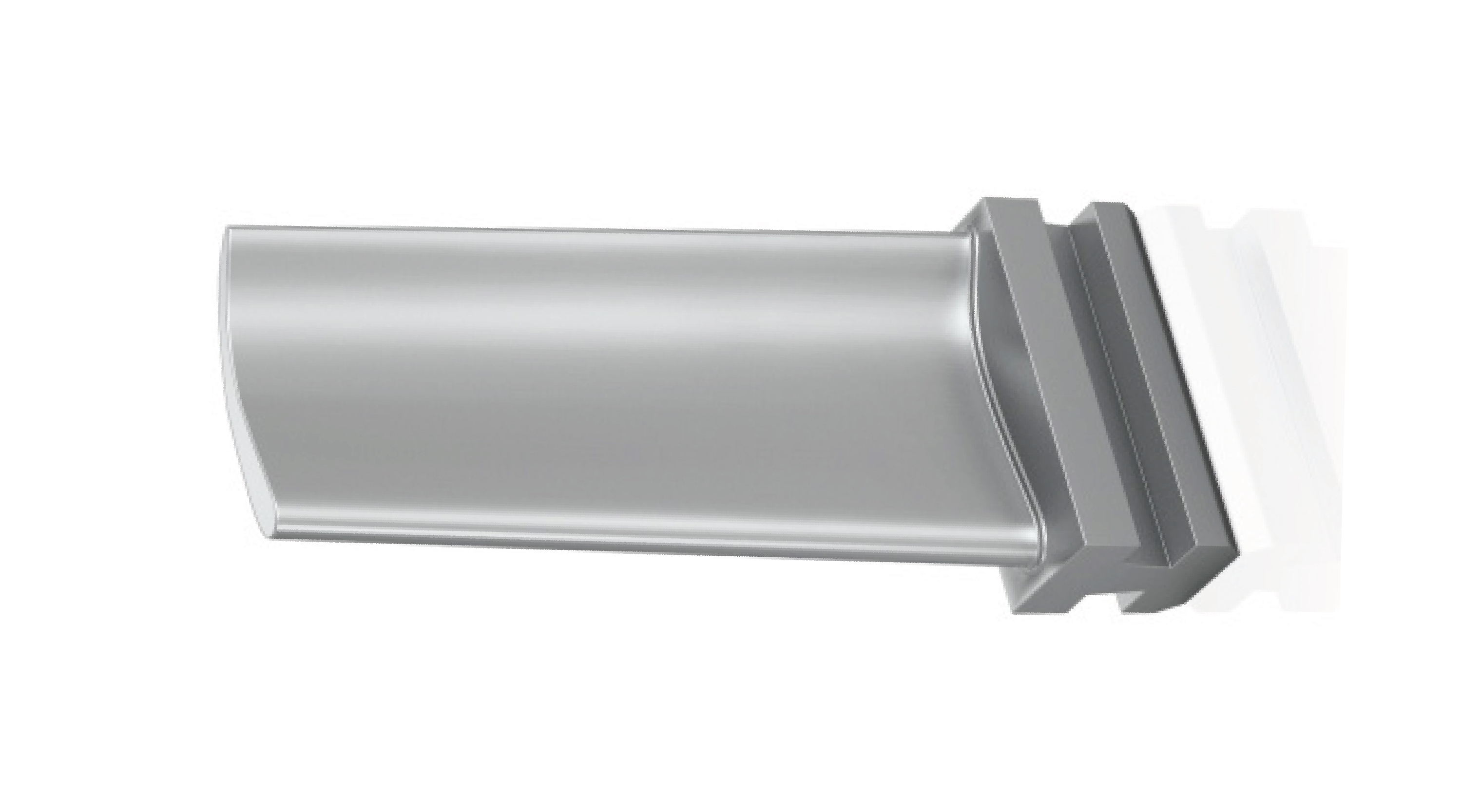
Blades are primarily made of stainless steel, titanium alloy, or high-temperature alloys, which exhibit difficult-to-machine characteristics including high hardness, high strength, corrosion resistance, and high temperature resistance. These materials cause severe tool wear, significant work hardening, and challenging cutting conditions.Most blades are machined via milling operations, and using specialized blade machining tools is an effective way to improve machining efficiency.
-
-
- Watch Case
- Lens Ring
- Industrial Lens Mount
- Joint Components - Femoral Part
- Joint Components - Tibial Tray
- Joint Components -Femoral Stem
- Trauma Components - Bone Plate
- Cervical Spine Components - Pedicle Screw Dovetail Head
- Joint Components - Acetabular Cup Machining Solution
- Joint Components - Femoral Cap
Tooling Solutions for Blade Machining
Blade Profile Rough Milling
High Feed Milling Cutter APM00-RO10/12/16
Round inserts with multiple anti-rotation locating faces for secure clamping.
Cutting geometry designed for high feed rates and exceptional stability.
Features the AP403S/AP403M grades for difficult-to-machine materials.
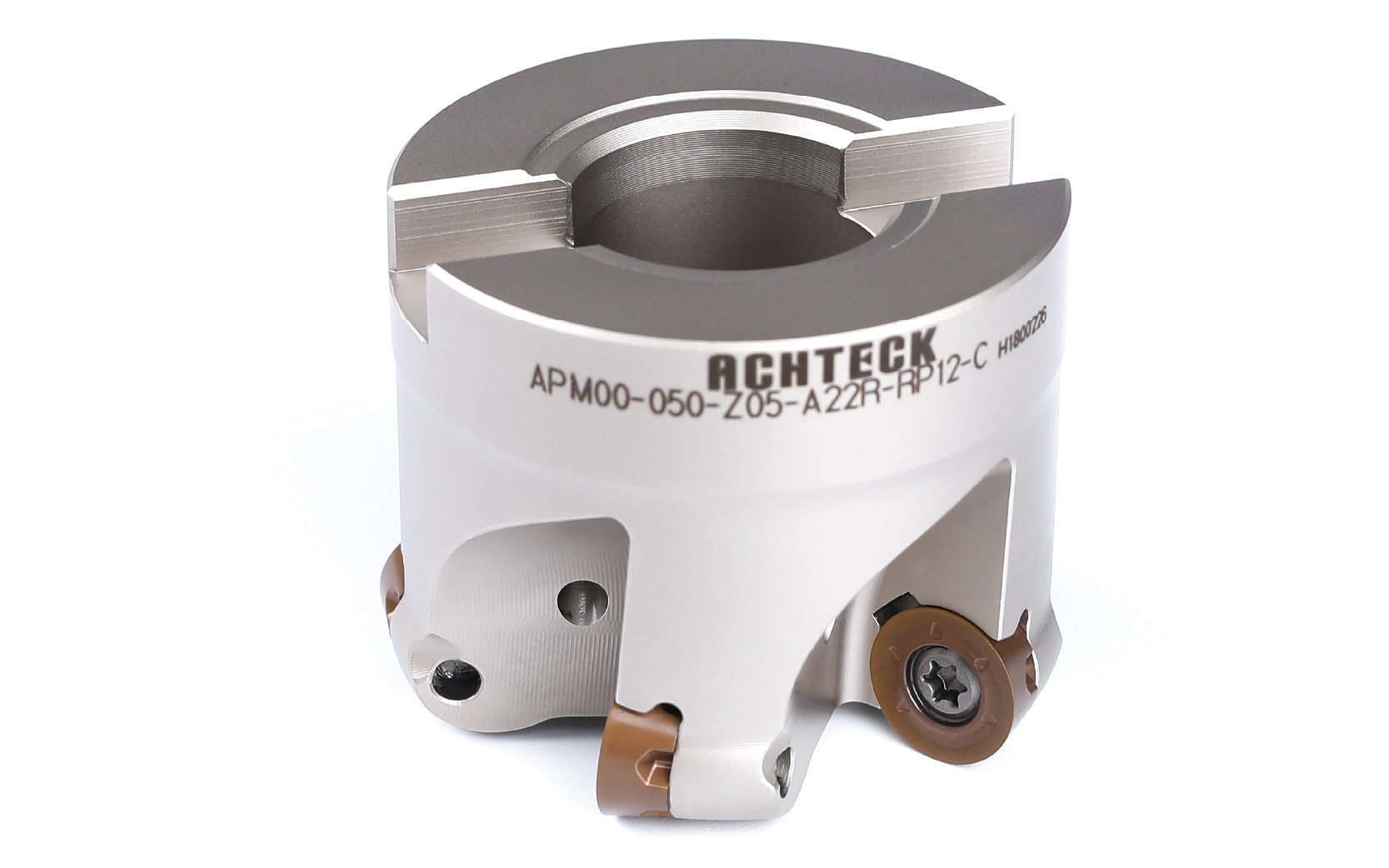
High Feed Milling Cutter APM00-RO10/12/16
Blade Profile Transition Semi-Finishing / Finishing
High-Performance Solid Carbide End Mills, Custom Non-Standard Designs
Independently developed carbide substrate material.
Multiple taper options to suit various blade geometries.
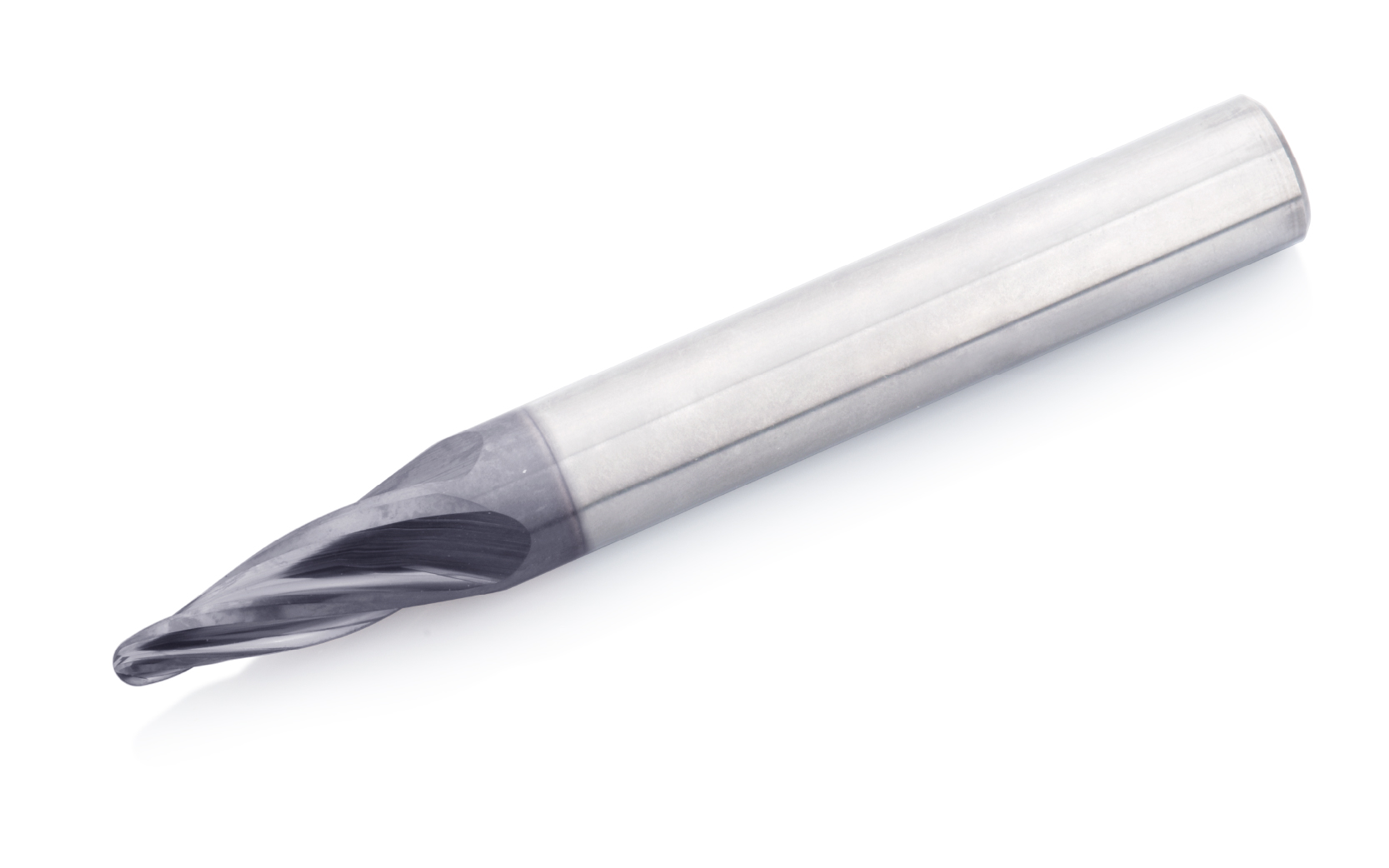
High-Performance Solid Carbide End Mills, Custom Non-Standard Designs
Blade Root-to-Profile Transition Radius Machining
Milling Cutter APM00-RP08/10
Anti-rotation slot design for enhanced insert mounting stability.
Standard inserts with multiple geometries and grades to easily handle diverse cutting conditions and workpiece materials.
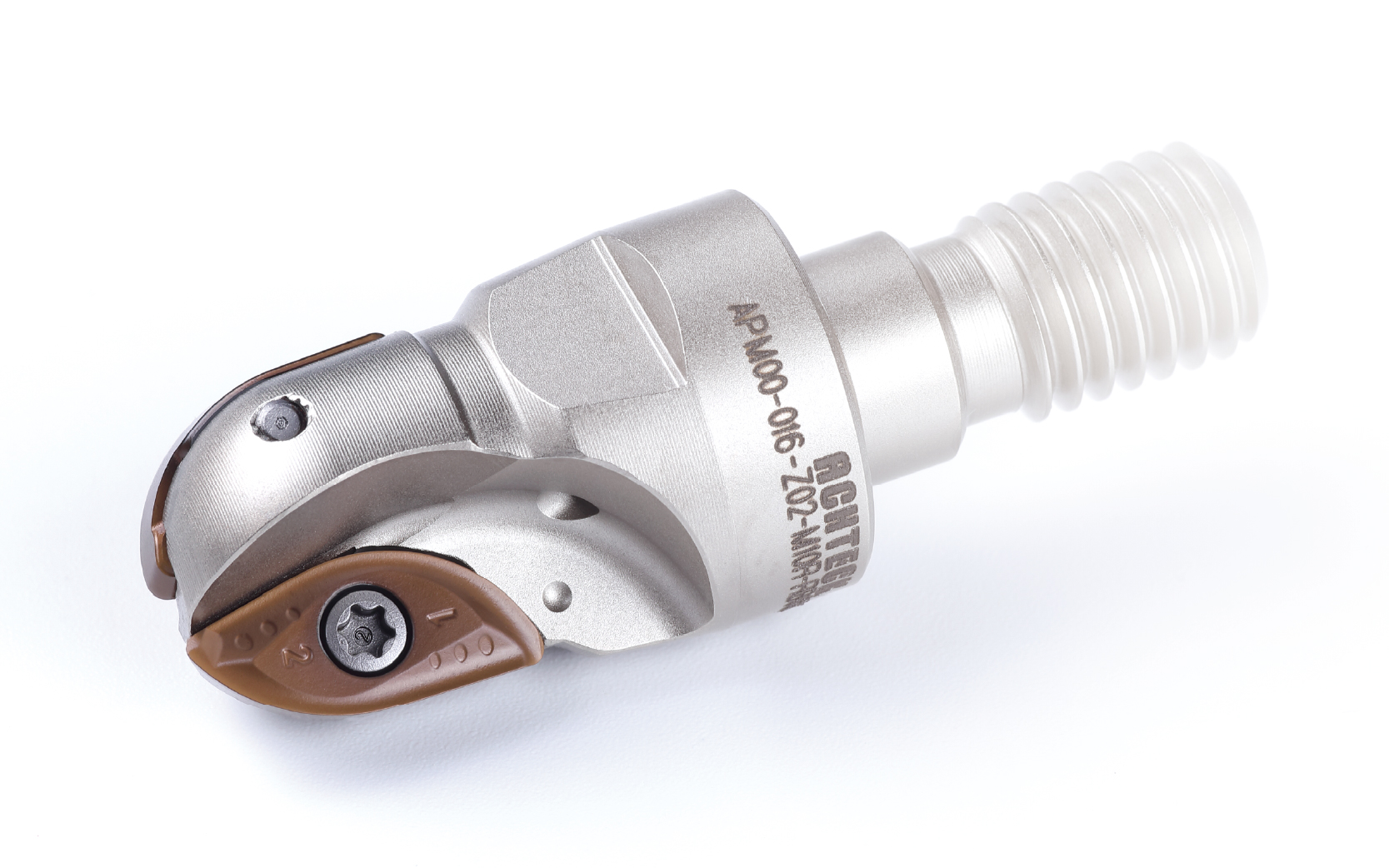
Milling Cutter APM00-RP08/10